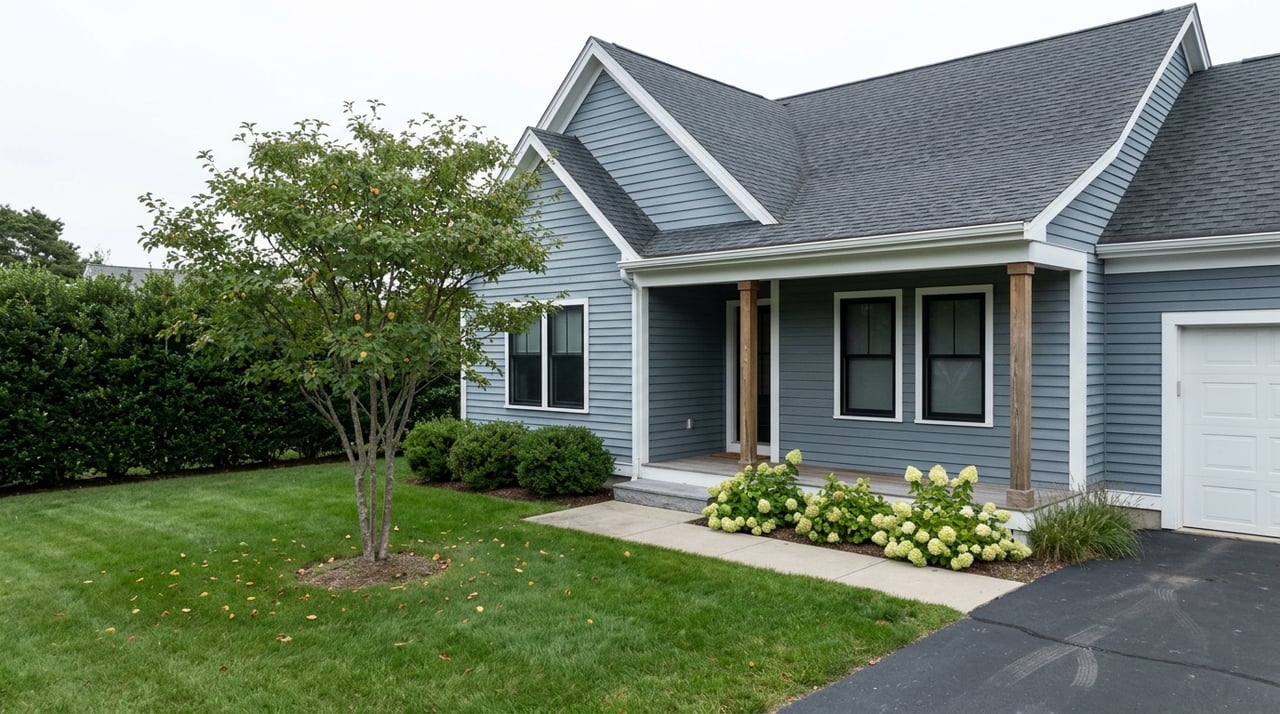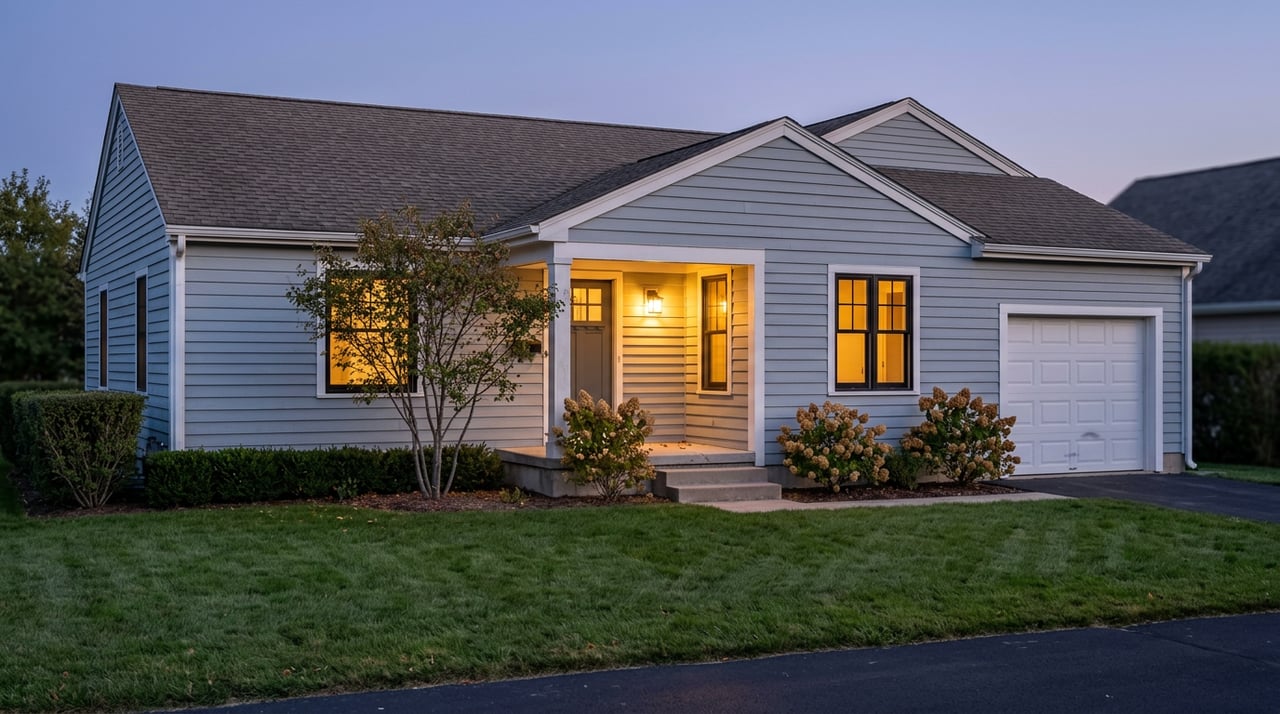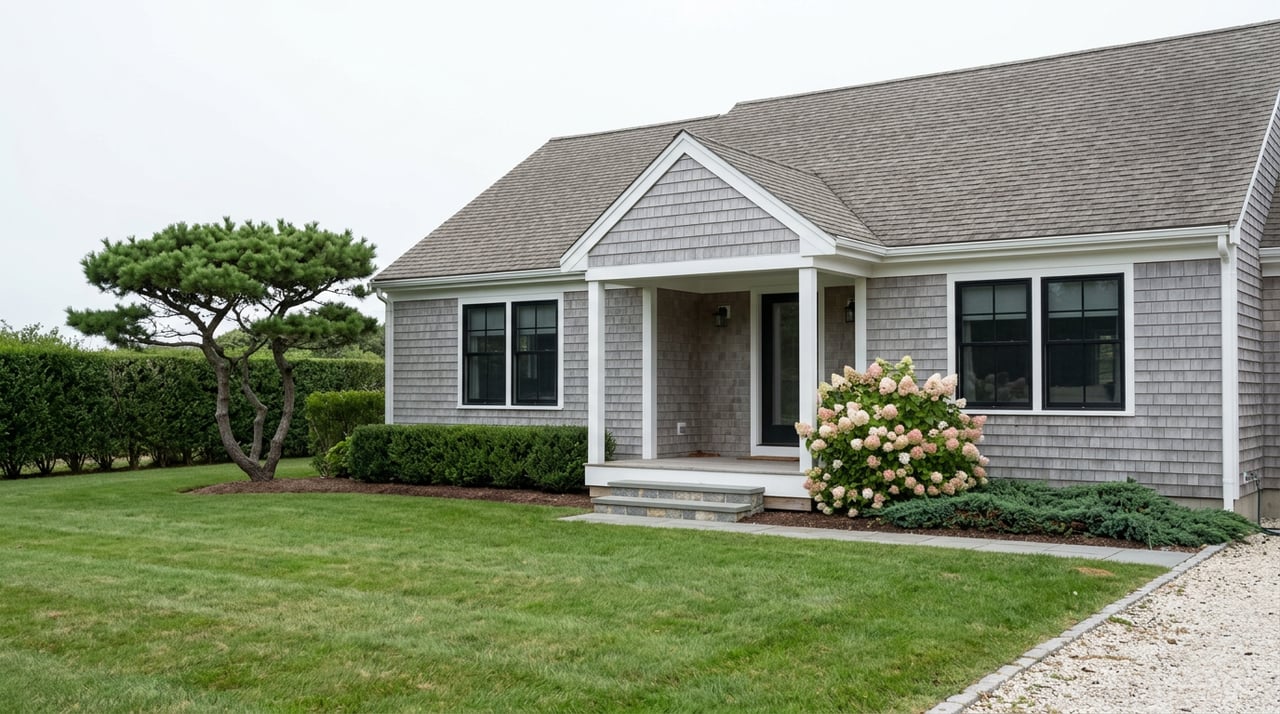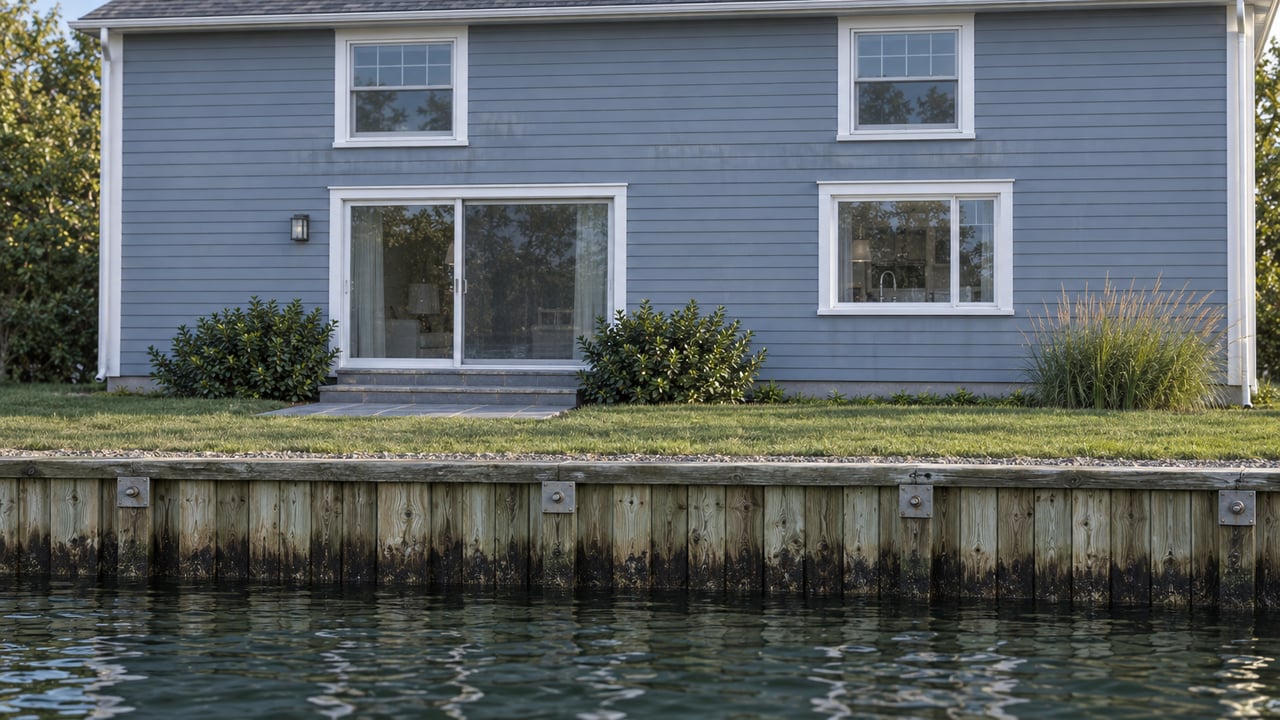
Five days before a closing on a canal-front colonial off Sequams Lane, the buyer's attorney gets a call. The marine contractor hired for a routine dock inspection noticed the bulkhead behind the seawall has a soft spot near the property line, the kind of depression that means soil is already washing out underneath. Nobody lied. Nobody hid anything. The seller's disclosure form was accurate. The problem is that the form never asked the right question, and the general home inspector who walked the property two weeks earlier wasn't looking below the waterline either.
This is the version of a West Islip waterfront closing that catches people off guard, not because someone withheld information, but because the paperwork everyone relies on wasn't built to catch it.
What the Disclosure Statement Actually Promises
New York's Property Condition Disclosure Statement, the form every seller of one-to-four family residential property has to complete, was substantially revised in 2024 under amendments to Real Property Law sections 262, 265, and 267, with the current version of the form effective as of July 2025. It asks sellers to answer questions based on their actual knowledge as of the date they sign. It is explicitly not a warranty, and it is explicitly not a substitute for an independent inspection.
That distinction matters more on the water than almost anywhere else in West Islip's housing stock. A seller who bought their home twelve years ago and never had a reason to look behind the seawall can answer every question on the form honestly and still know nothing about a bulkhead that's failing. The Long Island Board of Realtors' own guidance on the form confirms as much: it doesn't replace a home inspection, and buyers are encouraged to pursue their own testing and public records review before relying on anything in it.
Most general home inspectors aren't marine engineers. A standard inspection covers roofing, siding, plumbing, and the electrical panel. It rarely includes a below-grade or underwater assessment of a seawall's tie-backs, anchors, or panel condition, the exact places where failure starts and where it stays invisible until a sinkhole opens in the lawn.
The 18-Inch Line That Decides How Fast a Repair Happens
Even when everyone agrees a bulkhead needs work, fixing it isn't a weekend project, and how fast it can happen depends on a specific regulatory threshold.
Under the Town of Islip's Navigation Regulations, the one-time replacement or resheathing of an existing bulkhead is permitted without a new town lease as long as the work stays within 18 inches waterward of the original structure. Stay inside that line and repairs are treated as maintenance. Cross it, even by a few inches, and the project gets reclassified.
| Stays within 18 inches (in-kind repair) | Expands beyond 18 inches | |
|---|---|---|
| Town of Islip review | Permitted as routine maintenance | Requires additional town review |
| NYS DEC | Often qualifies as a Standard Activity Permit | Requires a full individual permit and Coastal Zone consistency review |
| Army Corps of Engineers | Generally covered under Nationwide Permit #3 for maintenance | May require an individual permit and environmental mitigation |
| Typical timeline | Weeks | Months |
That second column is where a mid-contract repair can quietly derail a closing date. A buyer and seller who agree in principle to split the cost of a bulkhead fix can still find themselves waiting on a state agency review that has nothing to do with either party's willingness to act.
What Full-Scale Bulkhead Work Actually Involves
The Town of Islip's own infrastructure gives a sense of scale. In May 2025, the town held a ribbon-cutting for the completed rebuild of the West Islip Marina, a project that included rebuilding the boat ramp, replacing the west side bulkhead, upgrading electric and water service, renovating the north wall, and fully replacing both sides of the breakwater at the marina entrance, along with dredging to restore safe navigation. Town Supervisor Angie Carpenter and several council members appeared at the completion, a signal of how long the project had been in motion before it was finished.
That's a municipal project with municipal resources behind it, not a homeowner's backyard repair. But it's a useful reference point for anyone comparing quotes on a residential bulkhead: replacing a seawall properly, whether it's town-owned or privately owned, is genuinely marine construction work, not a driveway paving job.
The Creeks Behind the Listing Photos
West Islip's waterfront identity runs through three named waterways: Trues Creek, Willetts Creek, and Sampawams Creek, the same tidal creeks that shaped the area when Secatogue villages fished and farmed along their edges. Homes in communities like True Harbor Estates market themselves on private bulkhead footage as a lifestyle amenity, the kind of listing detail that reads well and rarely comes with a companion line about the wall's age or repair history.
That's not a criticism of how these homes are marketed. Bulkhead mooring is a real selling point. It just isn't the same category of fact as square footage or bedroom count. A wall can look straight and still be losing soil behind it. Surface appearance is not a reliable proxy for structural condition, which is exactly why marine contractors treat a seawall assessment as a separate, specialized service from a general home inspection.
What This Means If You're Closing on Water
For anyone buying or selling a canal-front home in West Islip, a few concrete steps close the gap the disclosure form and standard inspection leave open.
- Ask for the bulkhead's age and any repair or permit history directly, in writing, rather than relying on what the seller happened to check off on the PCDS.
- Order a dedicated marine assessment separate from the general home inspection, ideally including a look at the base of the wall at low tide.
- Find out whether any prior repair extended waterward of the original structure. If it did, that repair may have already required the longer state and federal review process, and any future work on that same wall likely will too.
- Budget with a wide range in mind. A full bulkhead replacement can run anywhere from roughly $200 to over $1,000 per linear foot depending on material and site conditions, while early-stage repairs like polyurethane injection to fill voids behind an otherwise sound wall typically cost a fraction of full replacement, often in the range of 20 to 40 percent of what replacement would cost.
None of this requires alarm about any specific property. It requires treating the bulkhead as its own line item in due diligence, with its own inspection, its own permit history, and its own timeline, instead of folding it into the same checklist as the roof and the furnace.
A Few Questions Worth Asking Before You Sign
Does the Property Condition Disclosure Statement cover the bulkhead specifically? Not as a dedicated line item. The form covers what the seller knows about the property generally, and a seller with no reason to have inspected the wall can answer honestly without having any idea of its actual condition.
If a bulkhead problem turns up during escrow, who typically handles it? That's a negotiation between buyer and seller, usually worked out through the attorneys once a marine contractor's assessment is in hand. What the assessment can't change is the permitting timeline if the needed repair extends past the 18-inch threshold.
Does bulkhead work ever affect a dock or boat lift on the same property? It can. Mooring poles, piles, and existing docks that touch a stream bed, canal bed, or bay bottom fall under the same Town of Islip navigation code, so a bulkhead project that also touches an adjacent dock structure may need to account for both under one review.
If you're weighing a purchase or sale on Trues Creek, Willetts Creek, Sampawams Creek, or anywhere else along West Islip's waterfront, Caroline Sweezey can walk through what a specific property's bulkhead history and permit records actually show before you're five days from closing and finding out the hard way. Request a free home valuation to start that conversation early, while there's still time to act on what it turns up.