Wondering whether a Colonial or a ranch makes more sense for your next move in Islip? It is a smart question, especially in a town where much of the housing stock was built in the postwar years and many buyers are weighing layout, upkeep, and long-term comfort as much as curb appeal. If you are comparing these two classic home styles, this guide will help you look past the label and focus on how each home may fit your daily life in Islip. Let’s dive in.
Why this comparison matters in Islip
Islip has a large base of owner-occupied housing, with an owner-occupied rate of 80.5% and a median owner-occupied home value of $535,300. The town also has an older housing stock, with 67% of owner-occupied homes built from 1950 to 1979 and 14% built before 1950. That means many buyers are not just choosing a style. You are often choosing between different layouts, levels of updating, and renovation potential.
The town’s 2025 Consolidated Plan notes that much of Islip was developed during the post-World War II era, when 3- and 4-bedroom single-family homes were the main type being built. That helps explain why both Colonials and ranches show up so often in local home searches. In many cases, the better fit comes down to how you want to live in the home day to day.
Colonial homes in Islip
What a Colonial usually offers
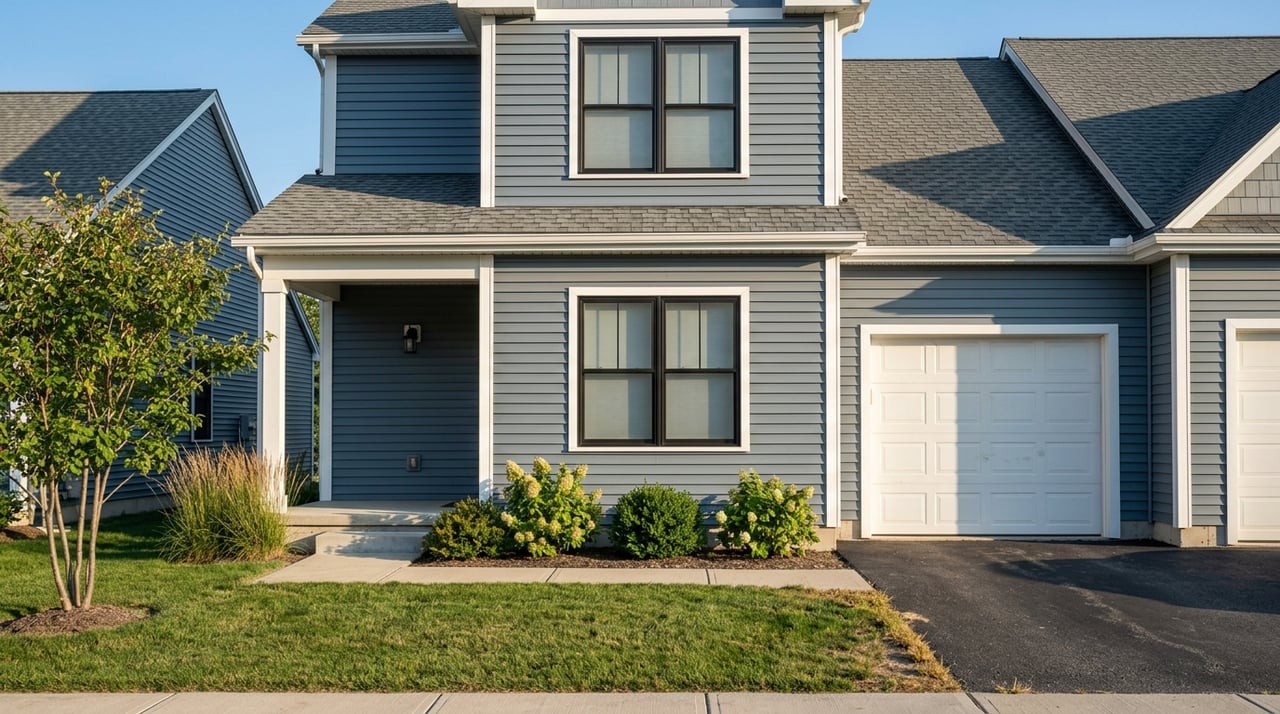
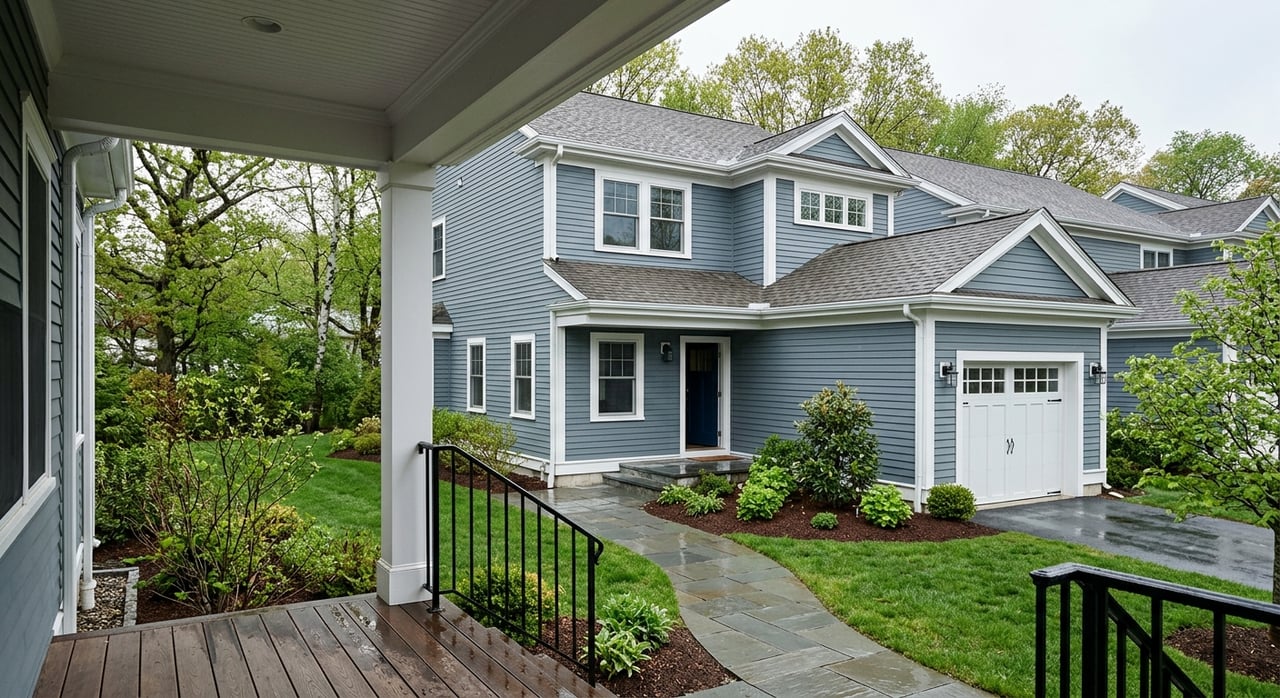
A Colonial home is usually symmetrical, with a centered front door, a gabled roof, and two or more stories. In Islip, many homes called Colonials are likely postwar or later interpretations of the style rather than original colonial-era homes. That makes it important to evaluate the actual floor plan, condition, and updates instead of relying only on the listing description.
Inside, Colonials often have a more traditional layout. You may see formal living and dining rooms near the front, with the kitchen and family room toward the back, while bedrooms are typically upstairs. This layout creates more separation between spaces, which many buyers appreciate.
Why some buyers prefer Colonials
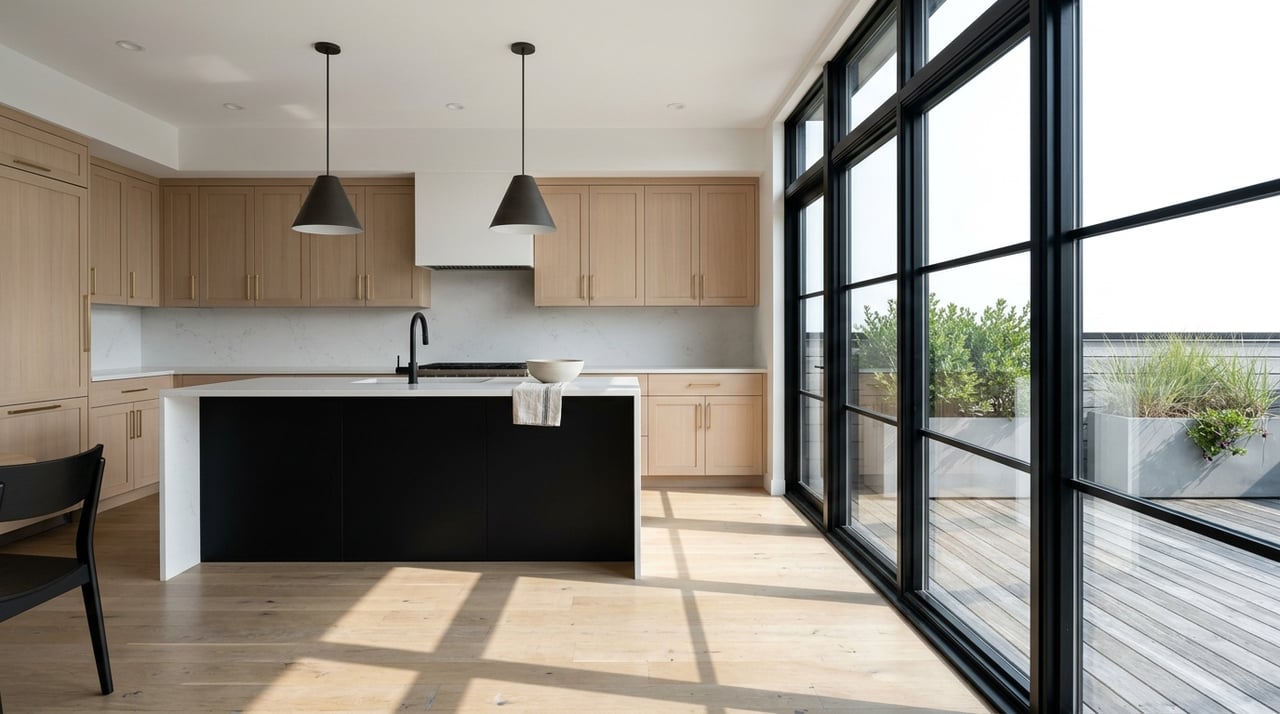
If you want clearly defined rooms, a Colonial can be a strong match. Separate spaces can help with privacy, noise control, remote work, and hosting guests without everything happening in one open area. For some households, that sense of structure makes the home feel more flexible.
A Colonial can also make efficient use of the lot because the square footage is stacked vertically. On a similar lot, that may leave more yard area compared with a one-story layout. If outdoor space matters to you, that is a practical point to keep in mind.
What to watch for in a Colonial
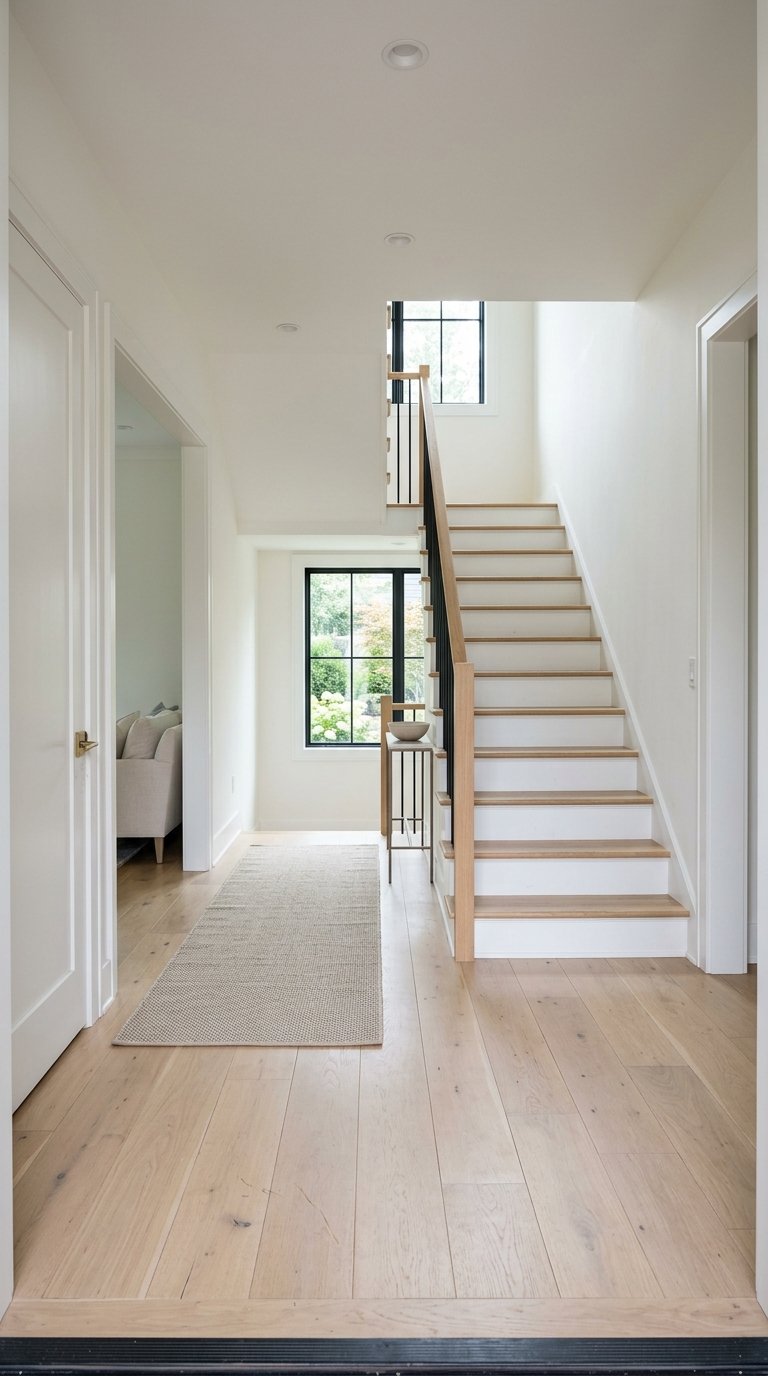
The biggest tradeoff is usually stairs. If you want easier movement between rooms now, or you are thinking about long-term comfort, a multi-level layout may not be the best fit. That is especially relevant in Islip, where 15.2% of residents were age 65 or older in the 2020-2024 ACS, and the town identifies households with a member age 62 to 74 as a significant group.
Older Colonials can also take more work to update, depending on the home’s age, structure, and renovation history. A house may have classic appeal, but buyers should still look carefully at the condition of systems, the layout flow, and what changes would be needed to make the home work for modern living.
Renovation potential in a Colonial
Many Colonials have a rectangular footprint, which can make them relatively straightforward to expand. Buyers who want a larger kitchen, a rear addition, or selective wall openings may find this style appealing. Still, the real answer depends on the structure and on local review requirements for the project.
In Islip, the Building Division reviews permits for compliance with the New York State Uniform Code and Town zoning. If a property is in wetlands or a flood zone, some projects may also require Wetlands and Watercourses and or Floodplain Development permits. Before you count on a renovation plan, it is wise to confirm what the property allows.
Ranch homes in Islip
What a ranch usually offers
Ranch homes became especially popular during the post-World War II housing boom, which lines up well with Islip’s development pattern. They are typically one-story homes with a low roof and a rectangular, more open plan. Compared with a Colonial, a ranch often feels more casual and horizontal in the way the space is organized.
Because the main living areas are all on one level, ranch homes can be easier to move through. That simple feature is one reason they continue to appeal to a wide range of buyers.
Why some buyers prefer ranches
If you want to reduce stair use, a ranch may be the more practical choice. One-level living can be helpful for households with young children, for buyers thinking ahead about aging in place, or for anyone who simply wants easier circulation from room to room. In a town with an older housing stock and a meaningful share of older residents, that can be a major advantage.
Open layouts are another draw. Ranch homes often have less conventional separation between spaces, which can make the home feel connected and easy to navigate. Buyers who like a more relaxed floor plan often respond well to this style.
What to watch for in a ranch
The main tradeoff is that the square footage spreads across one level instead of going up. On a similar lot, that can mean the house takes up more of the footprint and leaves less yard area. If outdoor space is a priority, it is worth comparing lot coverage as closely as interior square footage.
Storage can also be a bigger factor in ranch homes. Since the living area is concentrated on one floor, closets, basements, garages, and support spaces matter a lot. A ranch may feel easy to live in, but it still needs the right storage setup to function well over time.
Renovation potential in a ranch
Ranches can be very comfortable homes, but renovation plans should start with layout and support space. It is less about the style name and more about whether the home has the storage, utility areas, and room flow you need. If you are hoping for a more open, connected home, some ranches already offer that feel from the start.
As with Colonials, major projects should be checked against local permit and zoning requirements. In some parts of Islip, floodplain and wetlands review may also affect what can be done. That is especially important if the home is in a coastal area.
Colonial vs. ranch: daily life in Islip
Think about stairs first
If you are deciding between these styles, start with the simplest question: how do you feel about stairs? A Colonial usually works best for buyers who are comfortable with a split between upstairs and downstairs living. A ranch usually works best for buyers who want easier circulation and one-level living.
That does not make one style better than the other. It just means the right answer often comes from your routine, not from the exterior look.
Compare room flow carefully
Colonials often offer more separation between rooms. Ranches often offer more openness and faster movement from one space to another. If you work from home, host often, or want more privacy between living areas, a Colonial may feel more functional.
If you prefer convenience and simpler daily movement, a ranch may feel more natural. This is one of the biggest quality-of-life differences between the two styles.
Look beyond the style label
In Islip, many homes were built decades ago, so the style alone does not tell the full story. One Colonial may be fully updated and flow beautifully, while another may still have a more closed-off layout and older systems. The same goes for ranches.
Instead of asking only, “Do I want a Colonial or a ranch?” ask a better question: “How does this specific house live today?” That is usually where the best decision gets made.
Flood zones and local review matter
In coastal parts of Islip, flood-zone research matters no matter which style you prefer. The town says the Special Flood Hazard Area is primarily in Zones A and V in coastal areas of the Great South Bay and Fire Island, and it provides mapping and instructions for checking a property. If a home is near coastal areas, this should be part of your early due diligence.
This matters for both current use and future plans. If you are thinking about renovations, additions, or major updates, local review can affect timelines, scope, and cost. That is one reason it helps to compare homes with both lifestyle and practical property review in mind.
Which style is usually the better fit?
For many Islip buyers, Colonials tend to reward households that want traditional separation, more defined rooms, and are comfortable with stairs. Ranches tend to reward households that want easier circulation, simpler one-level living, and a layout that may support long-term accessibility more naturally. Neither choice is automatically right. The better fit depends on how you want to live now and what you want the home to support later.
In Islip especially, the decision is often less about the area and more about the house itself. Since much of the town’s housing stock is more than 40 years old, buyers should pay close attention to layout, storage, systems, renovation history, and whether the home fits their next chapter as well as their current needs.
If you are comparing homes in Islip and want practical guidance on what will serve you best long term, Caroline Sweezey can help you weigh layout, condition, and lifestyle fit with a local, personalized approach.
FAQs
What is the main difference between Colonial and ranch homes in Islip?
- In Islip, the main difference is usually layout: Colonials often have two or more levels with defined rooms, while ranches are typically one-story homes with easier circulation.
Are ranch homes better for aging in place in Islip?
- Ranch homes often appeal to buyers thinking about aging in place because one-level living can reduce stair use and make day-to-day movement easier.
Are Colonial homes common in Islip?
- Yes, Colonial-style homes are common in Islip, especially as postwar or later interpretations, since much of the town’s housing stock was developed during and after the post-World War II era.
Do ranch homes in Islip usually have less yard space?
- On a similar lot, a ranch may use more of the property footprint because the square footage spreads horizontally, which can leave less yard area than a Colonial.
Should Islip buyers check flood zones for both home styles?
- Yes, flood-zone research matters for both Colonials and ranches in coastal parts of Islip, especially near the Great South Bay and Fire Island.
Do renovations in Islip require local review?
- Yes, significant renovations or additions in Islip should be checked with the Town’s Building Division, and some properties may also need wetlands or floodplain-related permits.