If your workday starts with a train or a highway, choosing the right Islip hamlet can make every morning feel easier. Maybe you want a quick, frequent LIRR ride to Midtown. Or maybe you need simple parkway access and a short drive to Route 110 or Hauppauge. In this guide, you will see how Islip, East Islip and West Islip stack up for commuting, plus how those commute tradeoffs show up in local housing. Let’s dive in.
Quick take: fastest, most frequent, most convenient
- West Islip: Usually the fastest and most frequent LIRR access to Midtown via nearby Babylon’s electrified service, but you will drive or rideshare to the station. (Babylon station overview)
- Islip: Walk-to-station potential for some blocks, but trains on the Montauk Branch east of Babylon typically run less often and take longer into Manhattan. (Islip station details)
- East Islip: Served by Great River or nearby Bay Shore on the Montauk Branch, with a similar pattern to Islip. Convenience depends on how close you are to those stops. (Great River station context)
How the LIRR branches shape your ride
The key difference is electrification. The Babylon Branch is electrified through Babylon, which supports more frequent and generally faster service to Manhattan. East of Babylon, the Montauk Branch includes diesel territory, which often means fewer direct options and longer run times to Midtown. You feel that difference day to day. (Montauk Branch background)
West Islip: Use Babylon station
West Islip does not have its own LIRR stop. Most commuters use Babylon station a short drive away. Because Babylon is the electrified hub, you typically get more trains and faster peak service to Penn Station compared with boarding east of Babylon. (Babylon station overview)
Islip: Walk-to-station potential
Islip has an in-hamlet LIRR stop on the Montauk Branch. For some buyers, being able to walk to the station is worth a longer ride time to Manhattan. Islip is listed in LIRR Zone 10, which can differ from Babylon’s Zone 9 pricing, so compare monthly and peak fares for your commute. (Islip station details)
East Islip: Great River or Bay Shore
East Islip is served by nearby Great River or Bay Shore on the Montauk Branch. Proximity matters here. If you are close to Great River, you may enjoy a short station drive and a small, lower-key stop. If you are closer to Bay Shore or willing to drive to Babylon, you can expand your schedule options. (Great River station context)
Typical times to Manhattan
Train schedules vary by time of day, transfer patterns, and destination terminal. Always test the exact trains that match your work hours.
- Babylon to Penn Station: About 50 to 75 minutes, depending on express vs local patterns and time of day. (Example Babylon schedule context)
- Islip or Great River to Penn Station: Commonly around 70 to 90 minutes, with fewer peak express choices than Babylon. (Long Island commute ranges)
If you aim for Grand Central instead of Penn, your time may shift based on transfer points and the specific train. Patterns vary by timetable. (Babylon station overview)
Driving: when it makes sense
If you drive to Manhattan, light-traffic runs from the Islip area to Midtown can land around 60 to 80 minutes. During peak inbound or outbound congestion, it is common to see times extend well past 90 minutes. Route choice matters too, including Sunrise Highway (NY-27), Southern State Parkway, and Belt Parkway connections into your tunnel or bridge. Use a live route planner for your exact departure window. (Driving-time reference)
Getting to Long Island job centers and the airport
- Melville and Hauppauge: These employment hubs are typically a 15 to 30 minute drive from Islip, East Islip, and West Islip, depending on traffic and your exact starting point. Quick access to Southern State, Sagtikos, and Heckscher connections helps. (Distance example: West Islip to Melville)
- Long Island MacArthur Airport (ISP): Roughly 10 to 20 minutes by car from much of the Islip area, which can be a time-saver versus flights from JFK or LGA for some trips. (ISP travel context)
Housing and commute tradeoffs
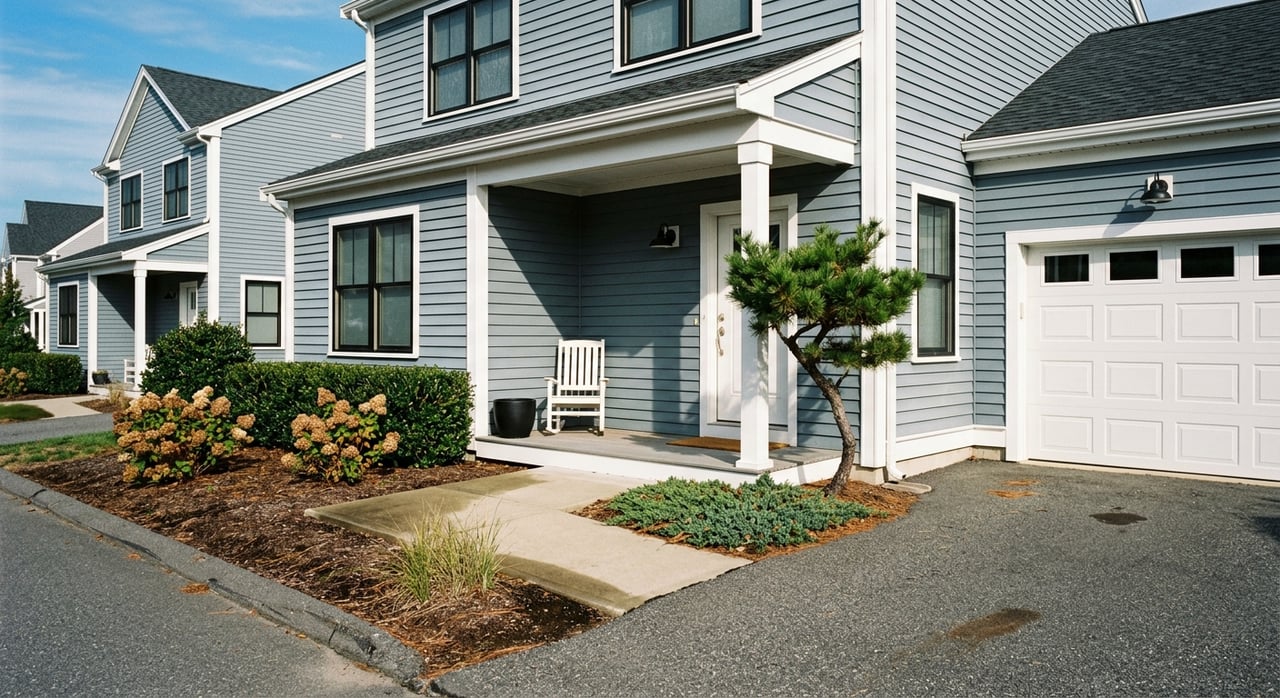
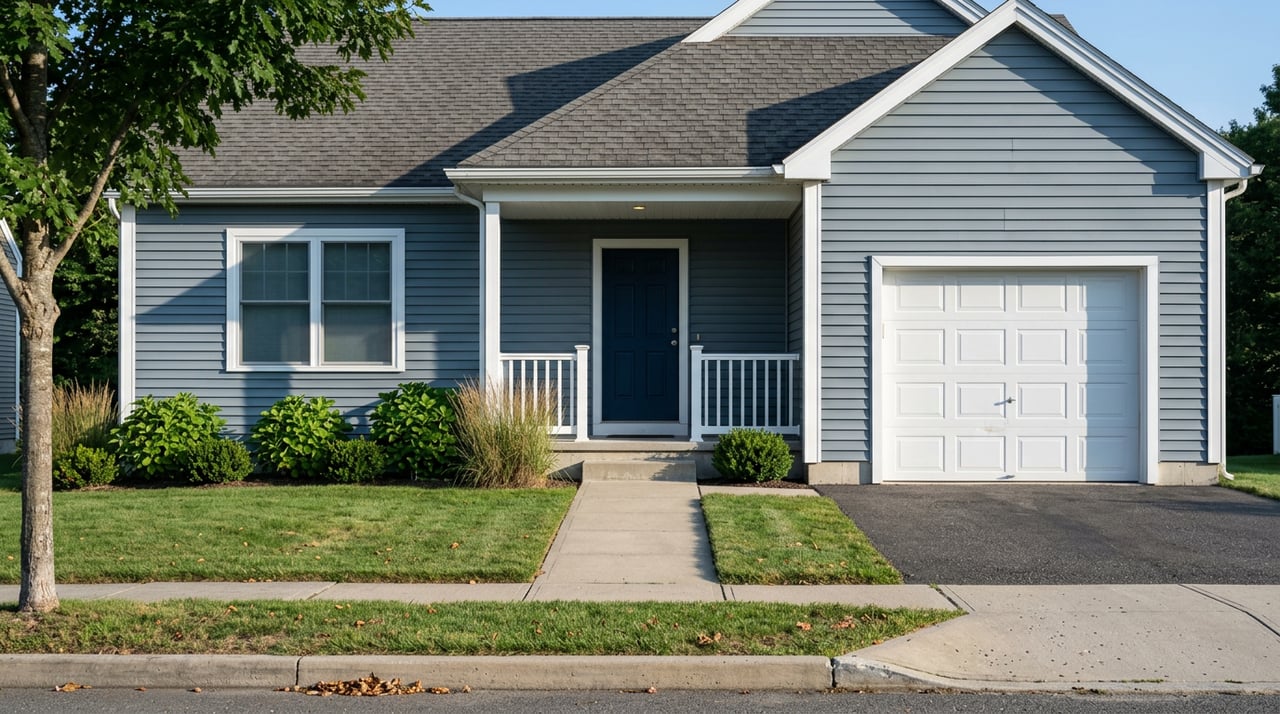
All three hamlets are suburban with a strong share of single-family homes, including colonials, ranches, and split-levels. Waterfront and canal properties along the Great South Bay command premiums compared with interior blocks. This is helpful context when you are weighing commute vs lifestyle.
For pricing snapshots, use two lenses:
- Market-current snapshots: Zillow’s ZHVI suggests typical values around $641,215 for Islip, $697,794 for East Islip, and $715,737 for West Islip (data through Jan 31, 2026). These figures move with the market and are useful for near-term context.
- Census-based medians: 2023 ACS medians via DataUSA report about $486,900 for Islip, $577,600 for East Islip, and $592,700 for West Islip. These reflect survey-based medians and provide a longer-term baseline.
What does that mean for commuters? If you prioritize the fastest, most frequent electric service and can accept a short station drive, West Islip’s access to Babylon often commands a price premium. If you want walk-to-station convenience and aim to trim your first mile, Islip or parts of East Islip can fit well, knowing the on-train time to Midtown is typically longer and schedules are less frequent than Babylon’s.
Which hamlet fits your commute style?
Islip: Convenience to a local station
- Pros: In-hamlet LIRR stop, potential walkability, and a range of price points by some measures. Good roadway access to Montauk Highway and Sunrise.
- Cons: Montauk Branch service east of Babylon has fewer frequent express options. Train rides to Manhattan are often longer than from Babylon.
East Islip: South Shore lifestyle, flexible station choices
- Pros: Access to Great River and nearby Bay Shore stations, plus parks and bay access in the area. Some higher-end waterfront inventory.
- Cons: Similar to Islip on the Montauk Branch, with fewer peak expresses. Many riders choose Bay Shore or Babylon to widen schedule and speed options.
West Islip: Fastest LIRR via Babylon, first-mile drive
- Pros: Short drive to Babylon’s electrified hub, which usually means faster, more frequent Midtown service. Direct access to major parkways helps for regional driving.
- Cons: No in-hamlet station, so plan for a short drive, bus, or rideshare and confirm parking options. Prices trend higher than some pockets of Islip and East Islip.
How to test your door-to-desk time
- Map your first mile: Time your drive, rideshare, or walk to Islip, Great River, Bay Shore, or Babylon based on your address.
- Check parking rules: Look up permits, daily fees, and lot capacity at your likely LIRR station before you commit. (Islip station details)
- Compare peak trains: Use the LIRR app or current timetables to test both Penn Station and Grand Central options for your actual work hours.
- Add the last mile: Include your subway or walk time in Manhattan. One transfer can add 10 to 20 minutes.
- Do a trial run: Try your exact commute on a weekday that matches your schedule. Small differences in departure time can shift the total by 15 to 45 minutes.
Choosing among Islip, East Islip, and West Islip comes down to your balance of first-mile convenience, on-train time, and housing budget. If you want tailored guidance on neighborhoods, stations, and current values, connect with Caroline Sweezey for a local, hands-on plan that fits your commute and lifestyle.
FAQs
Which Islip hamlet has the fastest LIRR commute to Midtown Manhattan?
- West Islip residents who use Babylon usually get the fastest and most frequent service, with typical runs around 50 to 75 minutes depending on the train. (Babylon schedule context)
Is there a train station in West Islip?
- No. Most West Islip commuters use nearby Babylon, a major electrified hub with frequent service into the city. (Babylon station overview)
How long is the LIRR ride from Islip to Penn Station?
- Typical travel times often fall around 70 to 90 minutes depending on the train and time of day, with fewer peak express options than from Babylon. (Long Island commute ranges)
What are typical home values in Islip, East Islip, and West Islip?
- Market snapshots: ZHVI suggests about $641,215 (Islip), $697,794 (East Islip), and $715,737 (West Islip), data through Jan 31, 2026. Census medians (ACS 2023) are about $486,900, $577,600, and $592,700, respectively.
How long does it take to drive to Long Island job centers like Melville or Hauppauge?
- Expect roughly 15 to 30 minutes depending on your origin and traffic, with Southern State, Sagtikos, and Heckscher connections shaping the route. (Distance example)
Is East Islip walkable to a train station?
- Parts of East Islip are near Great River, and others are closer to Bay Shore. Your exact address will determine whether you can walk, bike, or prefer a short drive. (Great River station context)