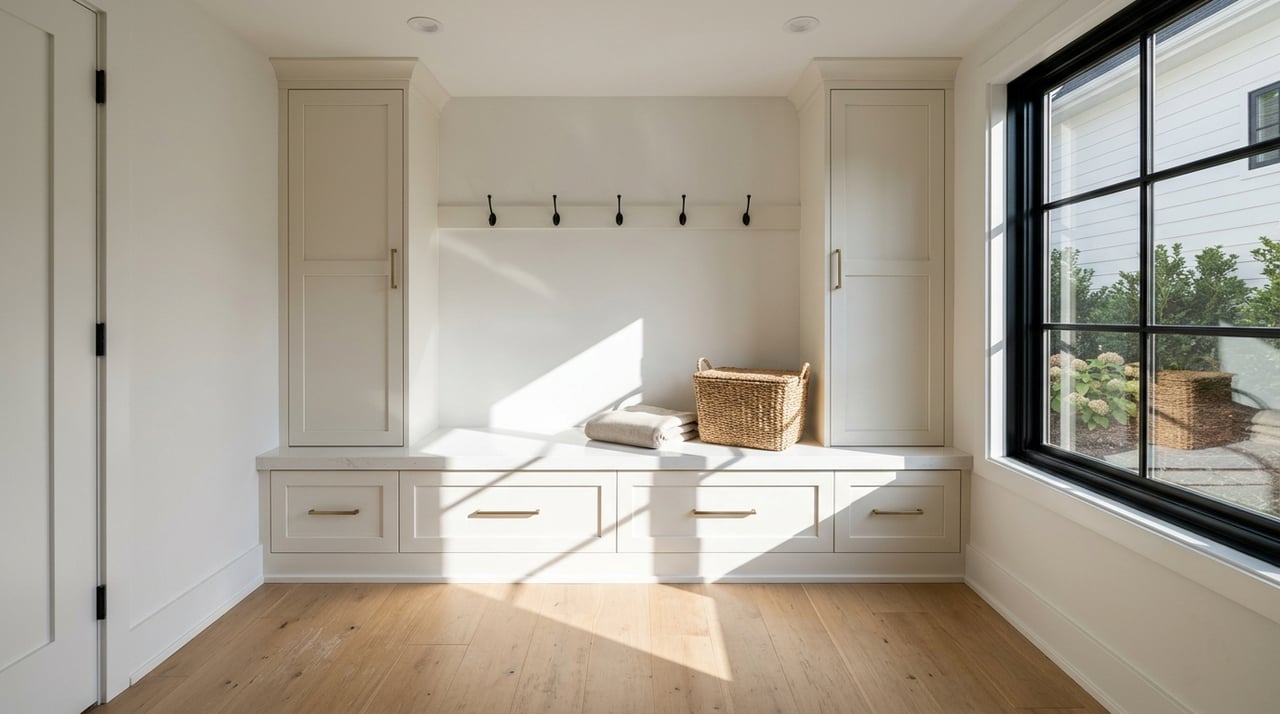
If you want your West Islip home to sell smoothly, preparation matters more than ever. Buyers can move quickly when a home feels clean, well cared for, and easy to understand, but they also notice deferred maintenance, missing paperwork, and spaces that feel overly personal. In this market, the goal is not perfection. It is to present a home that feels trustworthy, functional, and ready for the next owner. Let’s dive in.
Why prep matters in West Islip
West Islip remains a strong South Shore market, but sellers still need a clear plan. In March 2026, the median sale price was $723,000, which was down 14.0% from a year earlier, and homes sold in an average of 41 days. That pace was faster than the 59-day average a year earlier, which suggests buyers are active, but still selective.
West Islip also sits slightly above Suffolk County’s March 2026 median sale price of $675,000. That means your home can compete well, but it should not rely on the market alone to do the heavy lifting. Careful pricing, thoughtful presentation, and strong documentation can help your listing stand out.
Start with a move-in-ready mindset
The best first step is simple: look at your home like a buyer would. Most buyers are trying to judge value quickly, both online and in person. If your home feels easy to maintain and easy to picture living in, you are already ahead.
Recent West Islip home-trend data points to features buyers respond to most. These include double-pane windows, hardwood floors, fences, front patios, storage, ranch layouts, open-concept kitchens, ceiling fans, stainless-steel appliances, and washers. You do not need to renovate around this list, but you should highlight these features if your home already has them.
Focus on function first
Before you spend money on cosmetic updates, handle the basics that make a home feel cared for. Buyers tend to reward homes that look maintained and practical rather than heavily customized. A clean, neutral, well-running home often reads better than one with bold personal style.
Start with these high-impact tasks:
- Deep clean every room
- Declutter closets, countertops, and open shelves
- Remove extra furniture to improve flow
- Touch up scuffed paint and trim
- Fix loose hardware, squeaky doors, and sticking drawers
- Replace dated or dim light fixtures where needed
- Clean windows and make sure they open and close properly
- Address worn flooring or obvious damage
Prioritize the rooms buyers notice first
Not every room carries the same weight. Buyers tend to form strong impressions from the spaces they use most every day, and those rooms also do the most work in listing photos. If your time or budget is limited, put your effort where it counts.
According to staging research, living rooms, kitchens, and primary bedrooms deserve top priority. These spaces help buyers understand how the home lives. In West Islip, where storage and open layouts appear to matter, those rooms should feel spacious, bright, and easy to navigate.
Make living spaces feel bigger
Living rooms should feel open and comfortable, not crowded. Remove extra chairs, oversized tables, and personal collections that pull attention away from the room itself. If the space has hardwood floors, make sure they are clean and visible.
Try to create clear walking paths and simple furniture groupings. A buyer should be able to tell where they would sit, gather, or relax within seconds. That quick understanding matters in both photos and showings.
Keep the kitchen simple and fresh
A kitchen does not have to be brand new to make a strong impression. It does need to feel clean, functional, and easy to maintain. Clear counters, organize pantry areas, and remove magnets, notes, and small appliances that make the room feel busy.
If you have stainless-steel appliances, an open-concept layout, or good storage, make sure those features are easy to see. Even small updates like fresh cabinet hardware or brighter bulbs can help a kitchen show better without turning into a full remodel.
Calm down the primary bedroom
The primary bedroom should feel restful and roomy. Remove extra dressers, workout gear, and highly personal items so the room reads clearly. Neutral bedding and clean surfaces usually go further than decorative trends.
If closet storage is a strong point, showcase it by editing contents and leaving open space. Buyers are often looking for signs that the home will work for their daily routines. A tidy, functional bedroom supports that message.
Use staging to support your sale
Staging can help buyers picture themselves living in your home. In the National Association of Realtors’ 2025 Profile of Home Staging, 83% of buyers’ agents said staging made it easier for buyers to visualize a home as their future residence. Nearly half of sellers’ agents said staging reduced time on market, and 29% said it increased the dollar value offered by 1% to 10%.
That does not always mean filling your home with rented furniture. In many cases, the most effective staging comes from editing what is already there. Neutral colors, less clutter, and better room flow can make a major difference.
Keep staging neutral
The goal is to help buyers imagine their own furniture, routines, and style in the space. That is easier when rooms feel simple and balanced. Try to remove bold decor, niche collections, and anything that distracts from the home’s layout.
Think clean lines, open surfaces, and just enough furniture to show the room’s purpose. This approach is especially useful if you are preparing for professional photography, which tends to reward visual clarity.
Fix what photographs badly
Online presentation matters because many buyers decide whether to visit a home based on the first set of photos. Small flaws that feel manageable in daily life can look much worse in listing images. That is why visible repairs should move up your to-do list.
Pay close attention to items like peeling paint, tired flooring, drafty windows, loose hardware, dated lighting, and worn fences or entry points. These issues can make buyers wonder what else has been deferred. Even modest repairs can help your home feel more solid and better cared for.
Check permits and property records early
In West Islip, paperwork can be just as important as presentation. Before you list, take time to confirm whether past renovations or additions were properly permitted. This can include decks, accessory structures, plumbing work, or interior alterations.
The Town of Islip Building Division reviews permit applications for compliance with the New York State Uniform Code, the Town of Islip Zoning Code, and related land-use rules. The town also notes that final closeout can result in a Certificate of Occupancy or Certificate of Compliance. Since a property’s authorized use is reflected on its Certificate of Occupancy, checking this early can help you avoid last-minute delays.
Gather key documents before listing
If you can, pull together your paperwork before photos and showings begin. This can make buyer questions easier to answer and help your transaction stay on track.
Your file might include:
- Certificate of Occupancy or Certificate of Compliance
- Permit records for renovations or additions
- Receipts or records for major repairs
- Appliance manuals or warranty details if available
- Flood-related documents if relevant to the property
Review flood-zone and drainage details
Because West Islip is part of a coastal town on Long Island’s South Shore, flood and drainage questions can come up during a sale. The Town of Islip identifies itself as a coastal community with floodplain management, and flood-hazard information is especially relevant near Great South Bay and Fire Island. If your home is in or near a mapped flood zone, checking that early is a smart move.
FEMA identifies its Flood Map Service Center as the official source for flood-hazard mapping products, and it explains that areas with a 1% annual chance or higher are considered high-risk. For sellers, the practical takeaway is simple: confirm your address information early and gather any flood-insurance, elevation, or drainage documentation you already have.
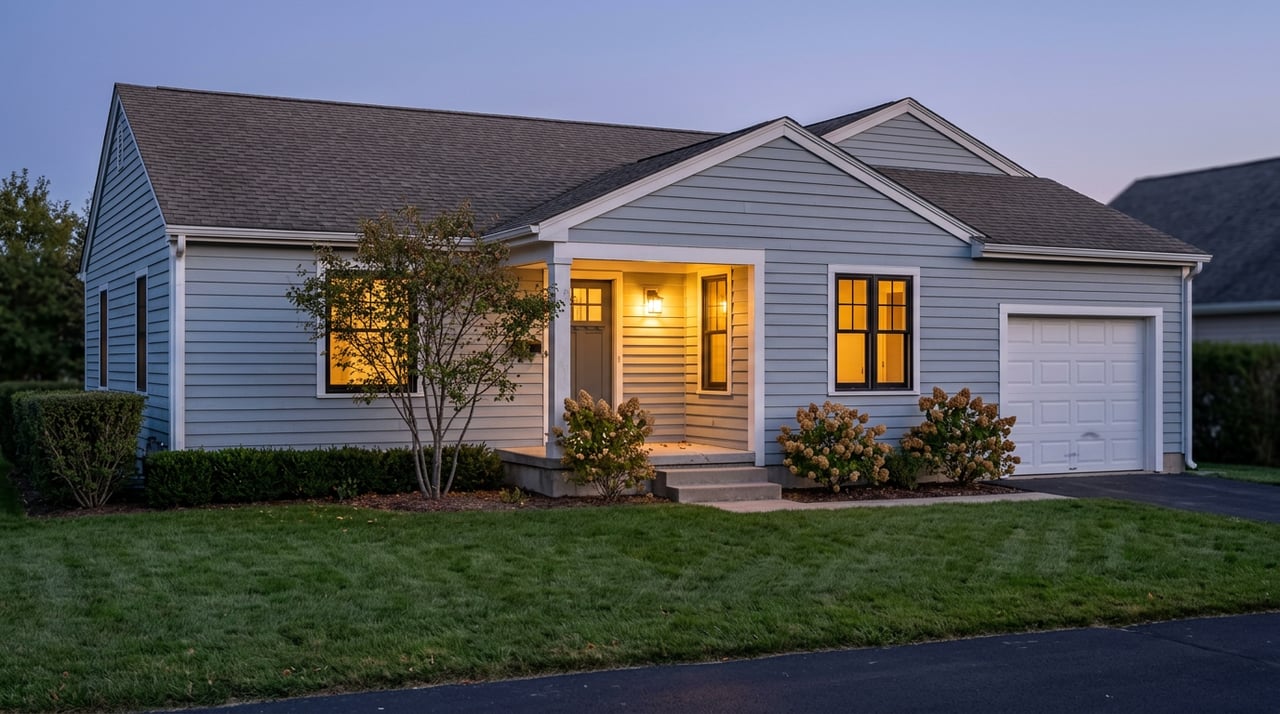
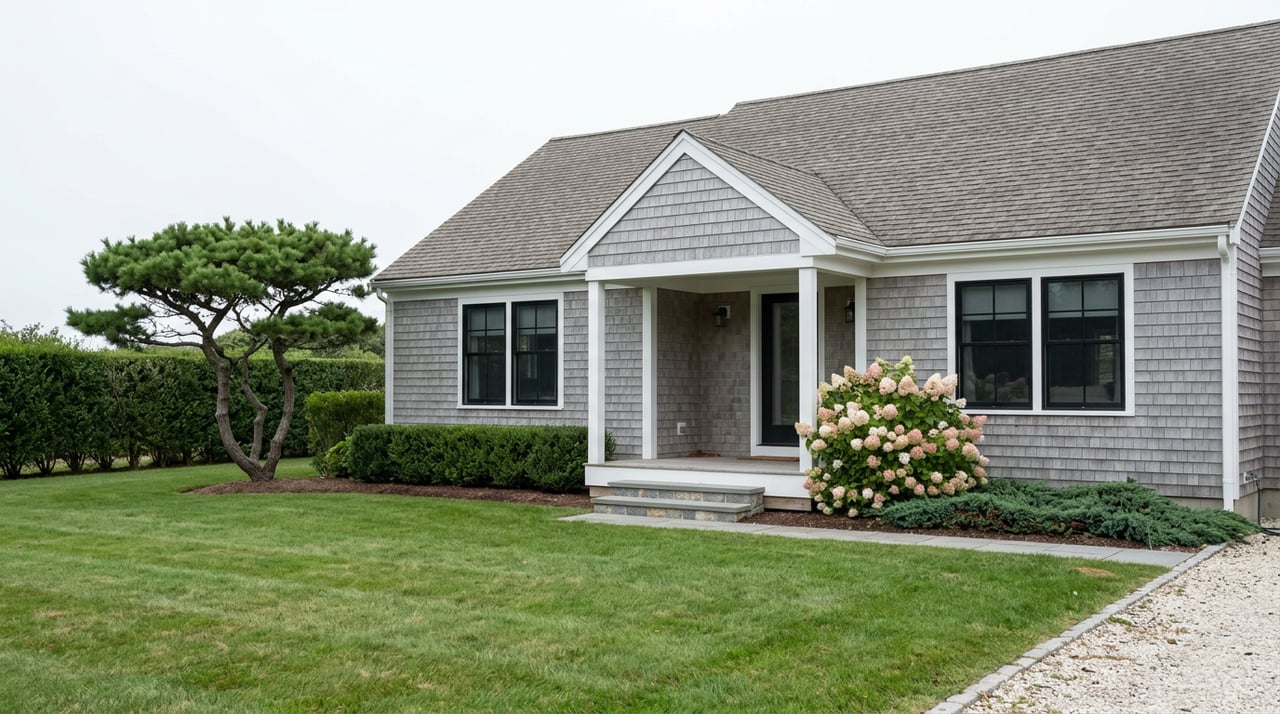
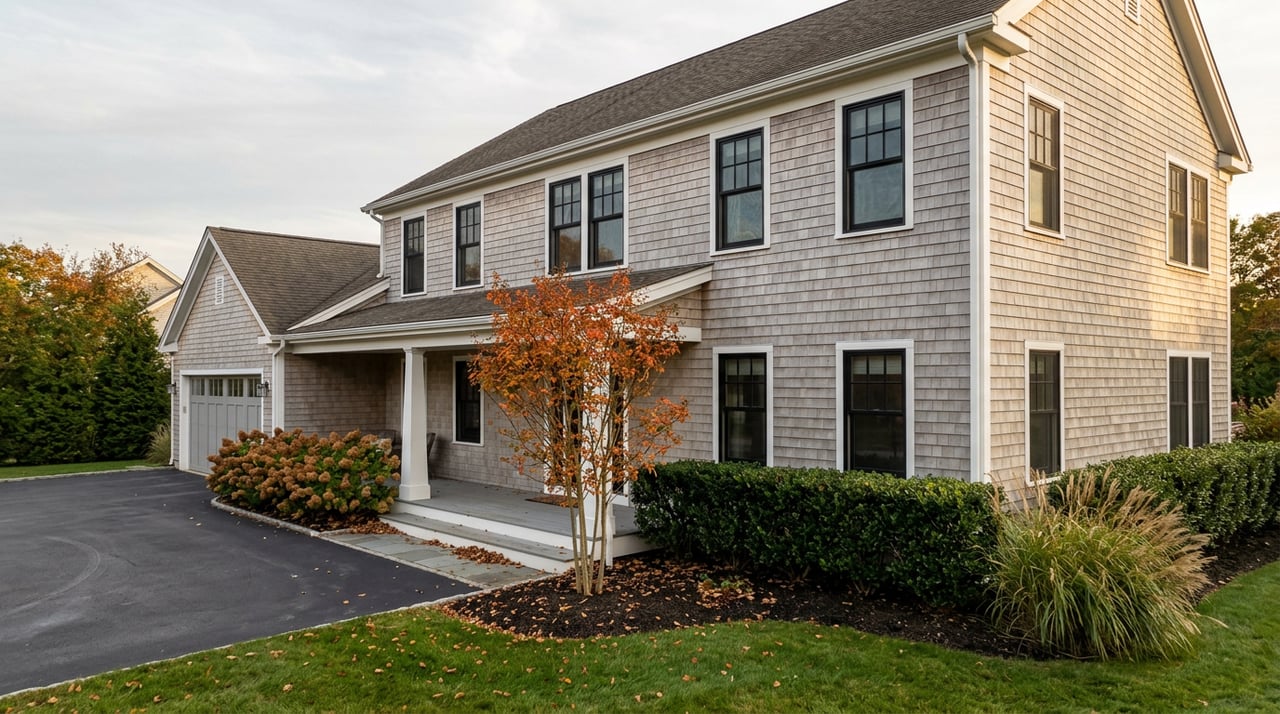
Improve curb appeal with drainage in mind
Drainage is not only a paperwork issue. It also affects how buyers read the property in person. The Town of Islip’s stormwater management efforts focus on runoff and water quality, which makes exterior maintenance especially relevant in South Shore communities.
Clean gutters, clear downspouts, and tidy grading can help your home look better cared for right away. If you have a basement, signs of dryness and organization can also support buyer confidence. These details may seem small, but they can shape how secure and manageable the property feels.
Plan for downsizing or estate sales calmly
Some of the most complex home sales involve a major life transition. If you are downsizing, helping a parent move, or managing an estate property, the emotional side of preparation is just as real as the physical work. A calm, step-by-step plan can make the process more manageable.
Start earlier than you think you need to. Sorting, donating, clearing out storage, and coordinating move logistics almost always take longer than expected. If the home has many years of belongings inside, focus on progress over perfection.
Break the work into clear stages
Trying to do everything at once can stall the process. It helps to move through a simple sequence so the home becomes easier to prepare over time.
A practical order often looks like this:
- Sort what is staying, going, or being donated
- Remove excess furniture and stored items
- Coordinate cleanout or tag-sale support if needed
- Deep clean after the bulk of the items are out
- Complete small repairs and touch-ups
- Stage for photos and showings
For older adults and families coordinating a transition, Suffolk County Office for the Aging serves residents 60 and older and offers counseling and resources through programs such as NY Connects. That can be a helpful local reference point while you manage the broader moving process.
Match your prep to the market
West Islip has a high owner-occupied housing rate, and the local age mix suggests that your likely buyers may include both households looking for long-term fit and owners seeking their next chapter. That means your home should appeal to practical needs, not just aesthetics. Clear storage, easy flow, and signs of consistent upkeep can carry real weight.
The strongest seller strategy in this market is usually not dramatic renovation. It is thoughtful preparation, accurate documentation, and a presentation style that makes the home feel easy to trust. When buyers can quickly understand the condition, features, and livability of your home, the path to a smooth sale gets much clearer.
If you are getting ready to sell and want experienced, hands-on guidance with staging, downsizing, estate support, or pricing strategy, reach out to Caroline Sweezey. Her high-touch, consultative approach can help you prepare your West Islip home with less stress and more confidence.
FAQs
What should sellers fix before listing a home in West Islip?
- Focus first on visible issues that affect buyer confidence, such as peeling paint, worn flooring, loose hardware, drafty windows, dated lighting, and fence or entry problems.
What rooms matter most when preparing a West Islip home for sale?
- Living spaces, kitchens, and primary bedrooms usually deserve the most attention because buyers need to understand those rooms quickly in photos and during showings.
Do West Islip sellers need to check permits before listing?
- Yes. If your home has had renovations, decks, accessory structures, plumbing work, or interior alterations, it is wise to verify permits and Certificate of Occupancy or Certificate of Compliance records with the Town of Islip early.
Should West Islip homeowners check flood-zone information before selling?
- Yes. Because West Islip is part of a coastal town, sellers should review flood-zone information early and gather any relevant flood-insurance, elevation, or drainage records if the property is in or near a mapped zone.
How can downsizers prepare a West Islip home for sale with less stress?
- Start early, sort belongings in stages, schedule cleanout help if needed, and wait to deep clean and stage until after the bulk of extra items are removed.