Thinking about trading city blocks for bay breezes? If you are relocating to Blue Point from the city, the move can feel exciting and a little hard to picture at the same time. You want more space and a different pace, but you also need to understand the commute, housing costs, and day-to-day lifestyle before you make a decision. This guide will walk you through what to expect so you can move forward with confidence. Let’s dive in.
Why Blue Point Feels Different
Blue Point is a small hamlet in the Town of Brookhaven in Suffolk County, with ZIP code 11715, and the community profile points to a stable, mostly owner-occupied market. According to Brookhaven area assignment data, Blue Point has 5,156 residents, an 89.5% owner-occupied housing rate, a median household income of $154,625, and an average household size of 2.26.
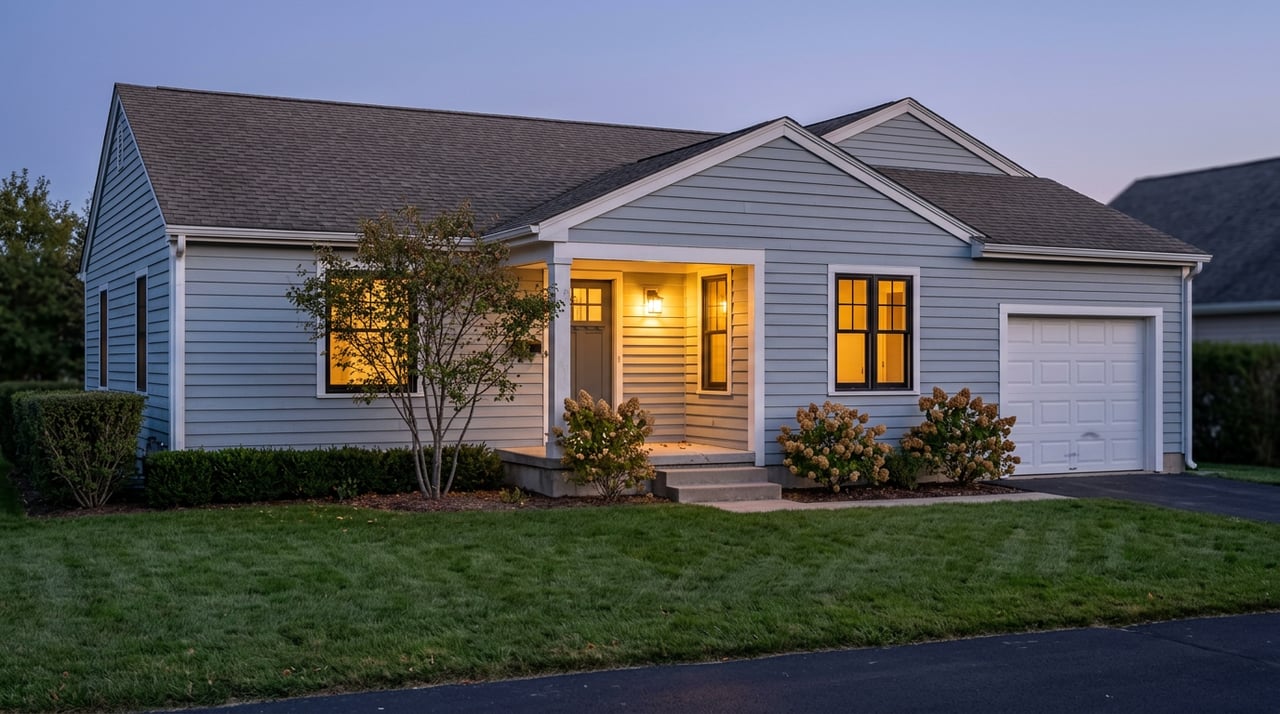
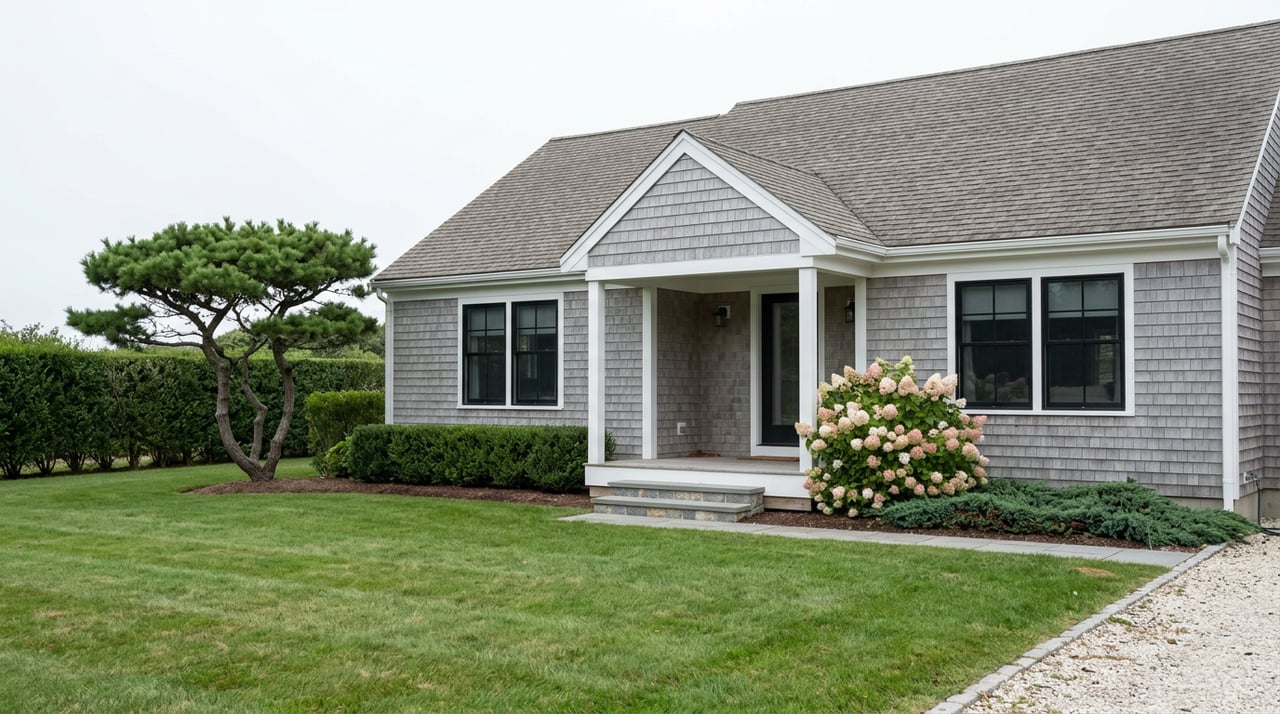
For many city buyers, that translates to a very different daily rhythm. Instead of a dense, renter-heavy environment, Blue Point offers a smaller South Shore setting where detached homes and longer-term ownership are more common. If you are looking for a quieter residential feel, that shift may be part of the appeal.
What Housing Costs Look Like
Budget is usually one of the first questions when you compare the city to Long Island. The U.S. Census QuickFacts for Blue Point lists the median value of owner-occupied housing units at $614,900, with median monthly owner costs of $3,433 for owners with a mortgage and median gross rent of $2,419.
That puts Blue Point in an interesting middle ground. The same Census source shows Nassau County at a median home value of $684,700, Suffolk County at $578,400, and New York City at $777,600. In simple terms, Blue Point sits below Nassau County and NYC, but above Suffolk County overall.
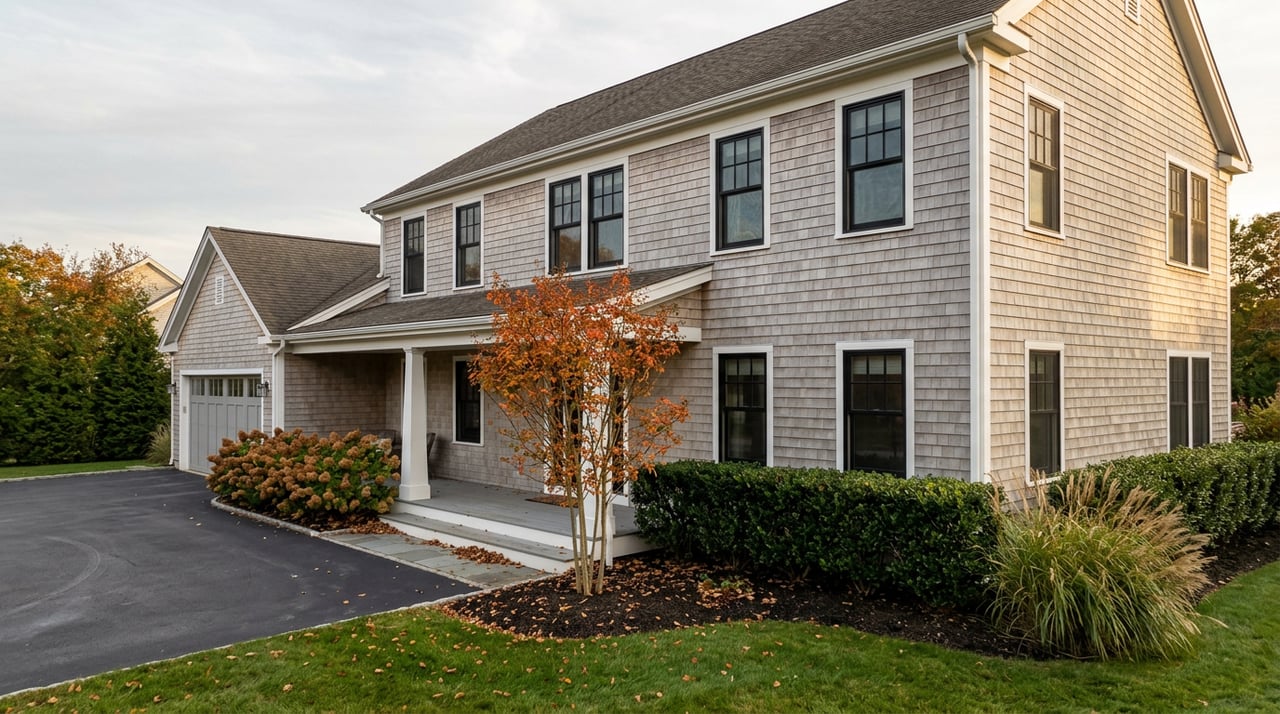
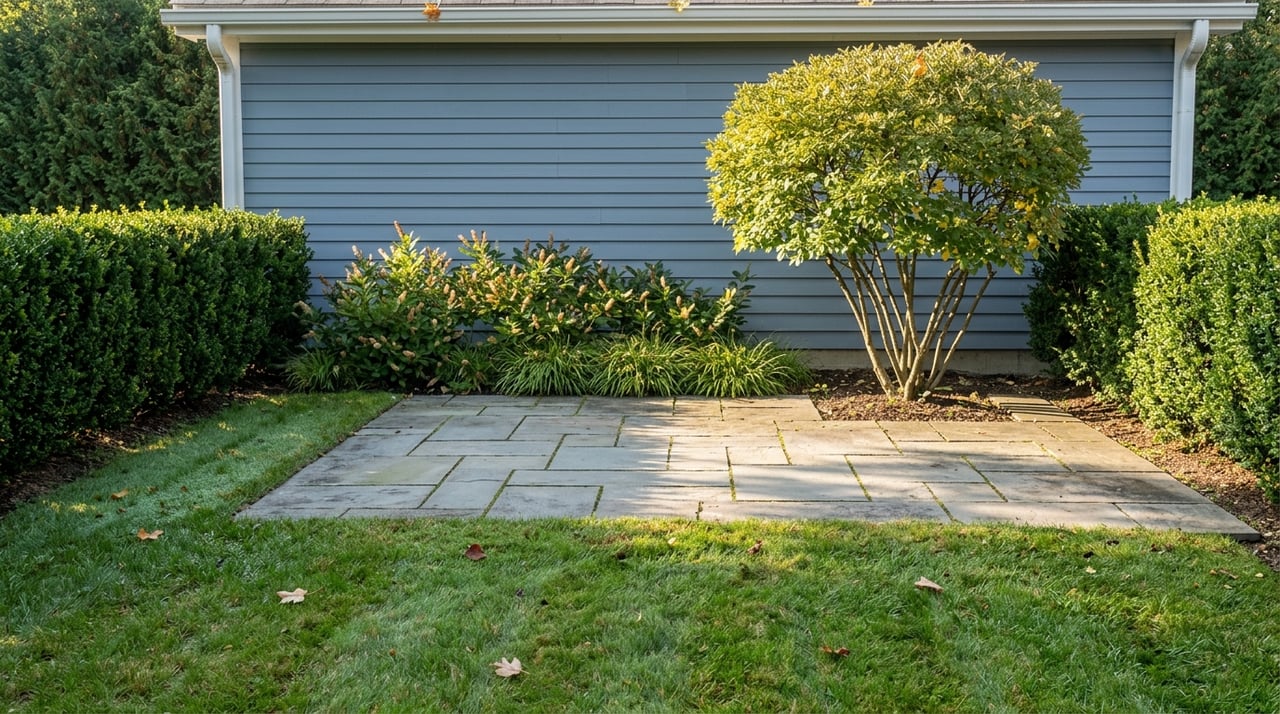
For buyers coming from the city, this often means you may find a different kind of value rather than a bargain. The market is better understood as an established single-family home market, not a condo-heavy one. Your budget may stretch into more outdoor space and a lower-density setting, but you should still be prepared for a competitive Long Island price point.
Expect a More Car-Oriented Lifestyle
One of the biggest adjustments for city buyers is transportation. Blue Point does not have its own LIRR station, so many commuters look at nearby options like Patchogue and Sayville on the Montauk Branch.
The MTA Patchogue station page confirms that Patchogue is accessible, has ticket machines, customer service hours, and Suffolk County Transit connections. The same MTA guidance also notes that current timetables include service from Patchogue and Sayville to Penn Station and Grand Central, which is why it is smart to confirm your exact train in TrainTime before choosing a home.
That matters because your daily routine may change more than you expect. If you are used to walking to the subway or relying on frequent city transit, Blue Point will usually feel more car-dependent. When you tour homes, it helps to look not just at the house itself, but also at the drive to the station, parking habits, and your preferred route for workdays.
Waterfront Living Is a Major Draw
For many people relocating from the city, Blue Point stands out because of its connection to the water. Brookhaven lists several local recreation and waterfront assets in Blue Point, including the Blue Point Fishing Pier, Corey Beach, Blue Point Veterans Memorial Park, and Corey Creek Marina.
The Corey Beach facility page shows just how much activity is tied to the shoreline. Amenities include a beach, boat ramp, concessions, fishing, a gazebo, a marina, a playground, and seasonal lifeguards. The town also lists Corey Beach as a boat-launch location and maintains a marina wait list that includes Corey Creek Marina.
If your goal is to move closer to boating, fishing, or a calmer coastal setting, Blue Point offers a lifestyle that can feel very different from the city. On the other hand, if your routine depends on dense retail, constant nightlife, or walkable transit access, this move may feel like a bigger lifestyle reset. That is not a downside or an upside by itself. It is simply one of the most important tradeoffs to understand.
Schools to Know Before You Move
If schools are part of your relocation search, Blue Point is served by the Bayport-Blue Point Union Free School District, a PK-12 district with five schools. The district includes Academy Street Elementary, Bayport-Blue Point High School, Blue Point Elementary, James Wilson Young Middle School, and Sylvan Avenue Elementary.
The same NCES source lists Blue Point Elementary at 212 Blue Point Avenue and reports 219 students for the 2024-2025 school year. As you compare homes, it is worth checking which school zone applies to a specific address rather than making assumptions based on the listing location alone.
That address-level step is especially useful for relocation buyers who are still learning the area. It helps you move from broad research to practical planning once you start narrowing down homes.
Questions to Ask Before Touring Homes
When you are moving from the city, it is easy to focus on square footage and backyard space first. Those things matter, but a smooth relocation usually comes down to a few practical details.
Here are some of the most useful questions to ask before you schedule tours:
- Which Bayport-Blue Point school zone serves this address?
- Which LIRR station, Patchogue or Sayville, makes the most sense for my commute?
- How long is the drive to the station during the times I would actually travel?
- If the home is near the water or marina, are there extra access, permit, or usage rules to review?
- If I want boating access, what should I know about seasonal slip availability or town marina wait lists?
These questions are grounded in the local facts that matter most in Blue Point. They also help you compare homes in a way that reflects your actual lifestyle, not just listing photos.
Blue Point May Be a Good Fit If
Every relocation is personal, but Blue Point tends to appeal to buyers looking for a few specific changes from city life.
You may feel at home here if you want:
- A smaller, established residential community
- A high rate of homeownership and a more suburban setting
- Access to waterfront recreation like fishing, boating, and beach time
- A single-family home market rather than a condo-focused one
- A quieter daily pace, with the tradeoff of a more car-oriented routine
If that sounds like the lifestyle you are trying to build, Blue Point deserves a serious look.
Plan the Move With Local Insight
A city-to-Long Island move is more than a map change. You are choosing a new routine, a new commute pattern, and a new way of spending your time at home. In Blue Point, the biggest advantages often come from understanding the small local details before you buy, from station access to waterfront logistics to address-specific school information.
That is where local guidance can make a real difference. If you are thinking about relocating to Blue Point from the city and want help weighing neighborhoods, commute options, and home types, connect with Caroline Sweezey for thoughtful, hands-on guidance tailored to your move.
FAQs
What is Blue Point like for someone moving from New York City?
- Blue Point is a small South Shore hamlet with 5,156 residents and a high 89.5% owner-occupied housing rate, so it generally feels quieter and more residential than a dense city neighborhood.
What are home prices like in Blue Point compared with NYC?
- The median value of owner-occupied housing units in Blue Point is $614,900, which is lower than New York City’s $777,600 median but higher than Suffolk County’s overall median of $578,400.
What train stations do Blue Point commuters usually use?
- Blue Point buyers typically look at Patchogue and Sayville on the Montauk Branch, and it is smart to verify your exact train options in TrainTime before choosing a home.
What school district serves Blue Point homes?
- Blue Point is served by the Bayport-Blue Point Union Free School District, and buyers should confirm the school zone for any specific property address.
What waterfront amenities are available in Blue Point?
- Blue Point has access to amenities including Corey Beach, the Blue Point Fishing Pier, Blue Point Veterans Memorial Park, and Corey Creek Marina, with features such as fishing, a boat ramp, a marina, a playground, and seasonal lifeguards at Corey Beach.
What should buyers check before touring waterfront homes in Blue Point?
- Buyers should review practical details like marina access, permit rules, boat-slip availability, and any other waterfront-specific considerations before moving forward.