Renting in Bay Shore and wondering if a starter home is within reach? You’re not alone. With clear price lanes, helpful buyer programs, and a smart plan, you can turn “someday” into a set of real next steps. In this guide, you’ll learn what a Bay Shore starter home typically costs, how to budget for closing and taxes, which first-time buyer programs can help, and how to compete in a fast-moving market. Let’s dive in.
Bay Shore starter homes: what to expect
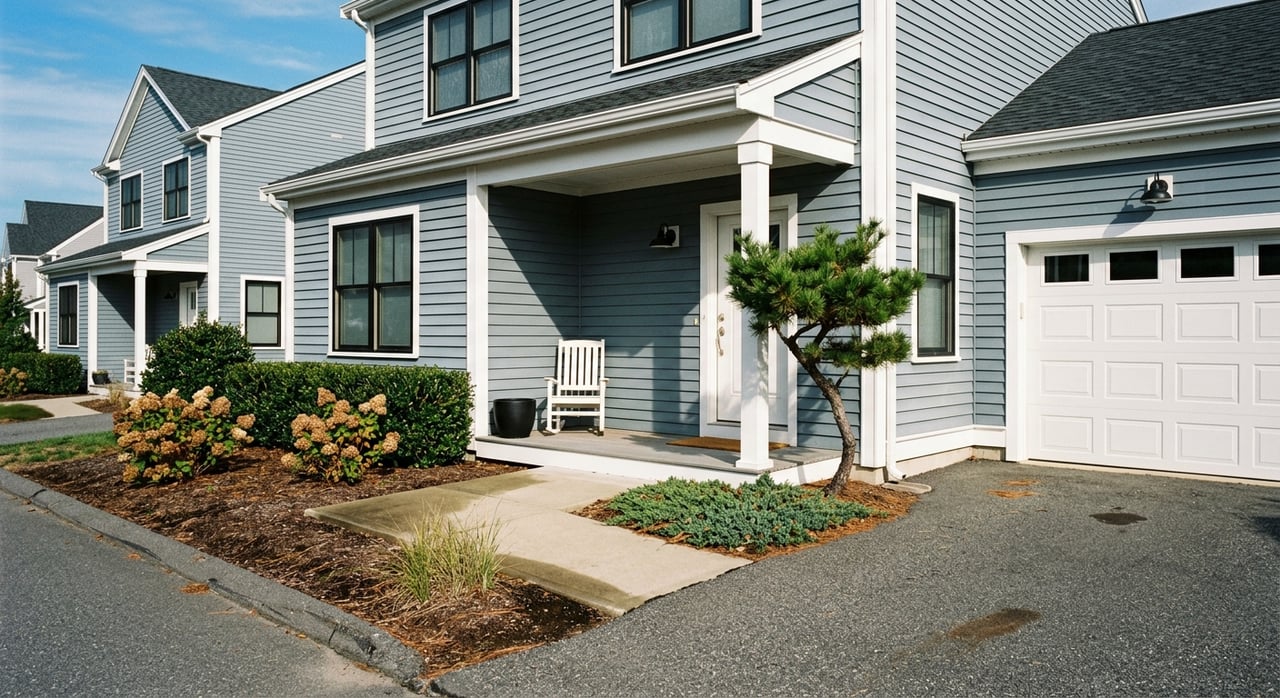
Bay Shore offers a mix of condos, townhomes, and modest single-family homes that work well for first-time buyers. Recent local market breakdowns show useful “shopping lanes” for entry buyers: many condos and attached units close near the low $400Ks, while small single-family homes (2–3 bedrooms) commonly trade around $480K to $650K. These lanes can help you focus your search and set a realistic budget based on your monthly comfort level and cash on hand. Recent local market insights back up these ranges.
Entry-level listings in these price lanes often move quickly. In active months, days on market can be about a month, and multiple offers are common at the most affordable price points. That means preparation matters: get pre-approved early, review your inspection and appraisal strategy, and be ready to move when the right home hits the market.
Property types and local tradeoffs
You’ll see a few common property types as you tour Bay Shore:
- Condos, co-ops, and townhomes with lower maintenance and typically lower prices.
- Small detached single-family homes like ranches, bungalows, and split-levels.
- Occasional two-family or small multi-unit properties that may draw investor interest.
Location brings tradeoffs to weigh. Homes close to downtown can offer walkability to dining and the LIRR, but lots may be smaller. Properties near the water deliver lifestyle perks, though you should check flood-zone status and insurance costs. More affordable homes may be older and need updates. Build in time for thorough inspection, insurance quotes, and a review of any coastal risks if you’re close to the bay.
Commute and lifestyle perks
The Bay Shore LIRR station offers a practical commute option to Manhattan, with typical trip times around an hour to 1 hour 15 minutes depending on service. Always check current timetables before you tour.
For weekend escapes, Bay Shore is a primary ferry gateway to Fire Island communities. Seasonal Fire Island ferry schedules from Bay Shore vary, so plan ahead if beach access is part of your lifestyle goals.
What it really costs to buy
Buying your first home means planning for the down payment, closing costs, and ongoing ownership expenses. Here’s how to frame your budget.
Typical down payments
First-time buyers often use one of these options:
- FHA loans starting at 3.5% down, if you qualify.
- Conventional programs for first-time buyers starting around 3% down.
- SONYMA mortgage programs paired with down-payment assistance (details below).
- VA and USDA options at 0% down for eligible buyers.
Your lender will guide you to the best fit based on income, credit, and property type.
Closing costs in Suffolk County
Plan for roughly 2% to 4% of the purchase price in buyer closing costs. This usually includes lender fees, title insurance, attorney fees, prepaid taxes and homeowners insurance, recording charges, and the New York mortgage recording tax. The mortgage recording tax is a meaningful line item in Suffolk; state guidance shows the combined MCTD rate often totals about 1.05% for many residential mortgages. Review the official New York mortgage recording tax guidance with your attorney or lender to see what applies to your loan amount.
Ongoing property taxes and insurance
Property taxes on Long Island are a major part of your monthly budget and vary by town and school district. The Town of Islip provides a tax-rate explanation sheet that shows how taxes are computed from assessed value. Because assessed values and equalization ratios change, ask the Town Assessor or Receiver of Taxes for the most current estimate on any address you’re considering. As a broad context point, some local analyses cite Suffolk County median tax bills in the $7,000 to $10,000 range, though your actual bill can vary widely by neighborhood and property features. You can review one such overview here: Suffolk County property tax guide.
Sample first-time buyer budgets
These scenarios are illustrations only. Your Loan Estimate and Closing Disclosure provide exact numbers.
Entry condo at $420,000
- 3% down: about $12,600
- Estimated closing costs at 2.5%: about $10,500
- Add monthly HOA dues, property taxes, and insurance as quoted
Starter single-family at $600,000
- 3% down: $18,000 (10% down would be $60,000)
- Estimated closing costs at 2.75%: about $16,500 (mortgage recording tax is a notable component)
Upper starter at $800,000
- 3% down: $24,000
- Estimated closing costs at 3%: about $24,000
- Note: New York’s 1% “mansion tax” applies above $1,000,000 in purchase price, which is not typical for entry-level homes but matters as you move up.
First-time buyer programs that help
The right financing can reduce the cash you need at closing and your monthly payment. Here are the programs many Bay Shore buyers explore.
SONYMA mortgages and DPAL
The State of New York Mortgage Agency is a cornerstone option for first-time buyers. SONYMA’s Achieving the Dream and Low Interest Rate programs can pair with the Down Payment Assistance Loan (DPAL). DPAL commonly provides either a flat $3,000 or 3% of the purchase price (subject to program caps and rules) as a deferred or forgivable second lien in many SONYMA tracks. Learn more on the SONYMA overview page and the Achieving the Dream program page. Participating lenders can confirm eligibility, income limits, and current rates.
Suffolk County DPAP and Bay Shore eligibility
Suffolk County has offered a HOME-funded Down Payment Assistance Program in some cycles with awards up to roughly $30,000. A key detail for Bay Shore buyers: the County consortium program excludes some towns, including the Town of Islip. Bay Shore is within the Town of Islip, so many Bay Shore buyers will not be eligible under the County DPAP. Do not assume County funds apply to your address. Check current rules on the County’s Community Development page and ask about town-level or nonprofit options.
FHLBNY Homebuyer Dream grants
The Federal Home Loan Bank of New York’s Homebuyer Dream programs are offered through member lenders and, in recent rounds, have provided competitive grants that can help with down payment and closing costs. Funding windows open and close, and each round has its own requirements and caps. Start early with counseling and ask participating lenders about current availability. You can read a general overview of New York options here: Homebuyer Dream programs.
How to stack assistance
- Get pre-approved with a lender that participates in SONYMA and FHLBNY programs.
- Complete HUD-approved homebuyer education early, since many programs require it.
- If you qualify, ask your lender which funds can be combined and what recapture or forgiveness timelines apply.
Your step-by-step path to the keys
- Get pre-approved and screen programs. Compare conventional, FHA, VA or SONYMA to confirm down payment and cash-to-close.
- Set search priorities. Decide on commute time, proximity to Fire Island ferries, yard needs, and property type.
- Tour the right lanes. Focus on condos in the low $400Ks and small single-family homes around $480K to $650K to match budget.
- Craft a confident offer. In competitive lanes, consider tight timelines, strong terms, and an escalation strategy if appropriate.
- Do your due diligence. Schedule inspection, order title and survey, and get insurance quotes, including flood insurance if near the water.
- Prepare for closing. Coordinate with your attorney, lender, and title company. Expect mortgage recording tax, prepaid escrows, and final walk-through.
How Caroline helps first-time buyers
Buying your first home is a big milestone. You deserve patient guidance, clear numbers, and a local expert who will advocate at every step. As a Sayville-rooted agent serving Bay Shore and nearby hamlets, Caroline brings decades of experience, calm coordination, and a hands-on approach that keeps you informed and on track.
Here’s how she supports first-time buyers:
- Program triage and lender introductions so you can tap SONYMA or Homebuyer Dream funds when available.
- Smart offer strategy tailored to Bay Shore’s entry price lanes and typical inspection windows.
- Trusted local referrals, from home inspectors and attorneys to insurance pros who understand coastal and flood considerations.
- Post-contract coordination to keep appraisals, title, and conditions moving toward a smooth closing.
Ready to explore Bay Shore starter homes with a clear plan and a calm, capable guide? Reach out to Caroline Sweezey to get started.
FAQs
What does a Bay Shore starter home usually cost?
- Many condos and attached homes close near the low $400Ks, while small single-family homes often range around $480K to $650K, depending on location and condition.
How much should I budget for closing costs in Suffolk County?
- A typical range is about 2% to 4% of the purchase price, including lender fees, title, attorney, prepaids, recording charges, and the New York mortgage recording tax.
Are Bay Shore buyers eligible for Suffolk County down-payment assistance?
- Often not, because the County’s HOME-funded DPAP excludes the Town of Islip; Bay Shore sits within Islip, so confirm eligibility and look to SONYMA or lender-administered grants instead.
What will my Bay Shore property taxes be on a starter home?
- Taxes vary by district and assessment; review the Town of Islip’s tax-rate sheet and request an address-specific estimate from the Assessor before you make an offer.
Do I need flood insurance in Bay Shore?
- If the property is in a designated flood zone or near the water, you may need flood insurance; confirm with your insurer and factor the premium into your monthly budget.
How long is the LIRR commute from Bay Shore to Manhattan?
- Typical trips can be about 1 hour to 1 hour 15 minutes depending on the train and connections; check current schedules before you tour and test your route.