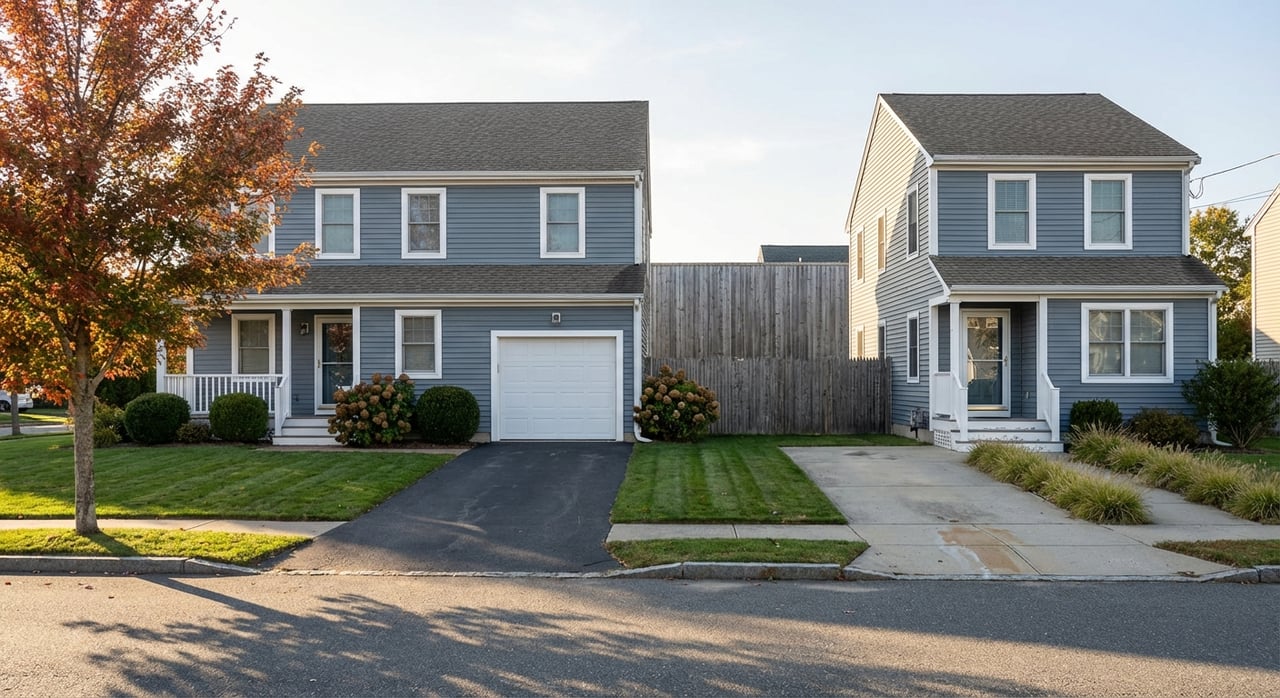
Torn between Bayport and Blue Point on Long Island’s South Shore? You are not alone. Both offer Great South Bay access, a shared school district, and a close-knit feel, yet the day-to-day experience can differ. In this guide, you will see how the two hamlets compare on schools, waterfront access, housing, commute, prices, and flood risk so you can choose the best fit for your lifestyle. Let’s dive in.
Bayport vs Blue Point at a glance
- Size and setting
- Bayport sits in the Town of Islip. Blue Point sits in the Town of Brookhaven. Both front the Great South Bay, which drives boating and beach lifestyles.
- Bayport is larger by land and population, with about 8,609 residents in roughly 3.8 square miles, according to the latest U.S. Census QuickFacts for Bayport. Blue Point’s census count is smaller and the hamlet feels more compact.
- Shared identity
- Both hamlets share the Bayport-Blue Point Union Free School District and the Bayport-Blue Point Public Library, which helps the two feel like one community in many ways.
- Permits and services
- Because they are in different towns, some beach, marina, and park permits are handled by different agencies. This matters if you plan to use specific town-run amenities.
Schools and community life
Both hamlets are served by the Bayport-Blue Point School District. The district includes three elementary schools, one middle school, and one high school. Families often value that your address in either hamlet feeds into the same public schools.
Community life is active and neighborly. The Bayport-Blue Point Public Library hosts year-round programs for kids, teens, and adults in renovated facilities. Seasonal parades, civic events, and local festival days add to the small-hamlet rhythm. You can browse local coverage and calendars through the Bayport-Blue Point Gazette for a sense of community traditions and upcoming events. Visit the Bayport-Blue Point Gazette to get a feel for local happenings.
Waterfront, beaches, and parks
If waterfront access is high on your list, pay attention to how each hamlet connects you to the bay.
Blue Point highlights
- Corey Beach is a town-run bay beach with seasonal amenities and nearby boat launch access. Check the Town of Brookhaven page for boat ramps and Corey Beach details. The area has a classic summer “bay village” feel, with quick access to sand, paddle sports, and seasonal dining.
Bayport highlights
- Bayport offers marina access and town pump-out services along Browns River and nearby bayfront. See the Town of Islip’s pump-out and service stations for boating support information. Bayport’s broader land area includes quieter inland streets and larger parcels close to the water.
In short, Blue Point often feels a touch more compact and beach-forward in summer. Bayport offers a similar bay lifestyle with a slightly more spread-out, suburban layout.
Homes, lots, and styles
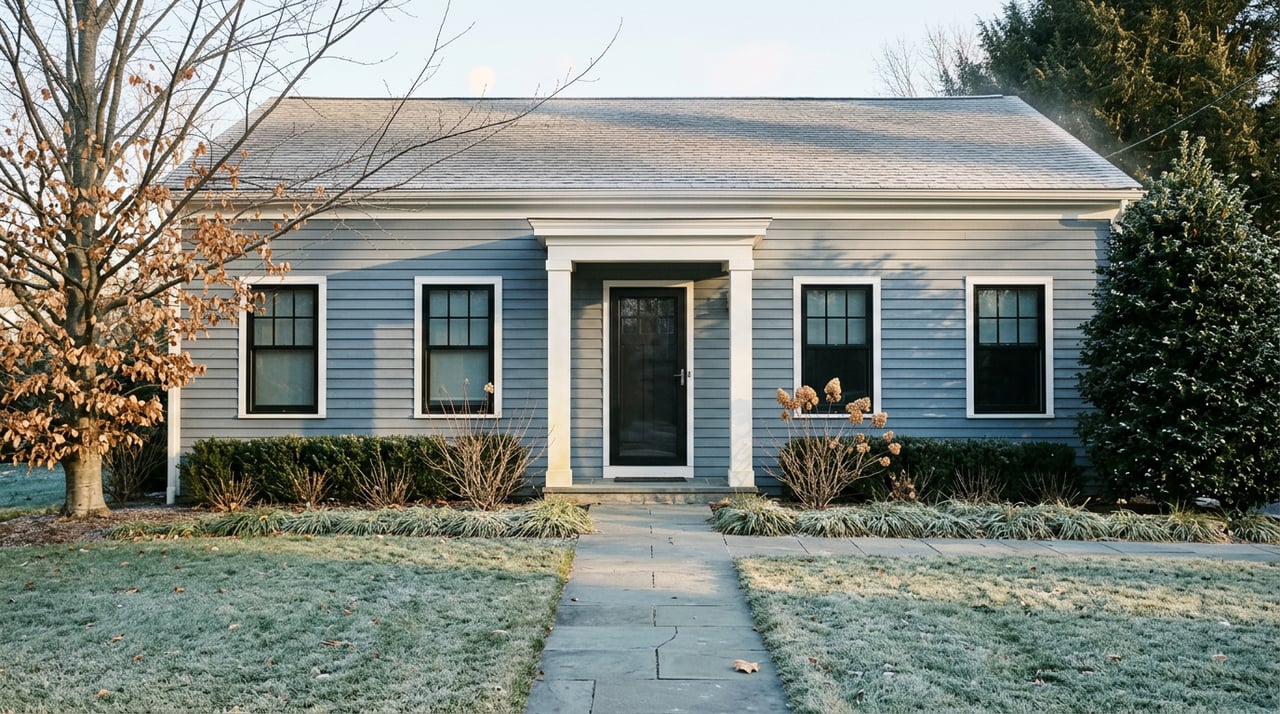
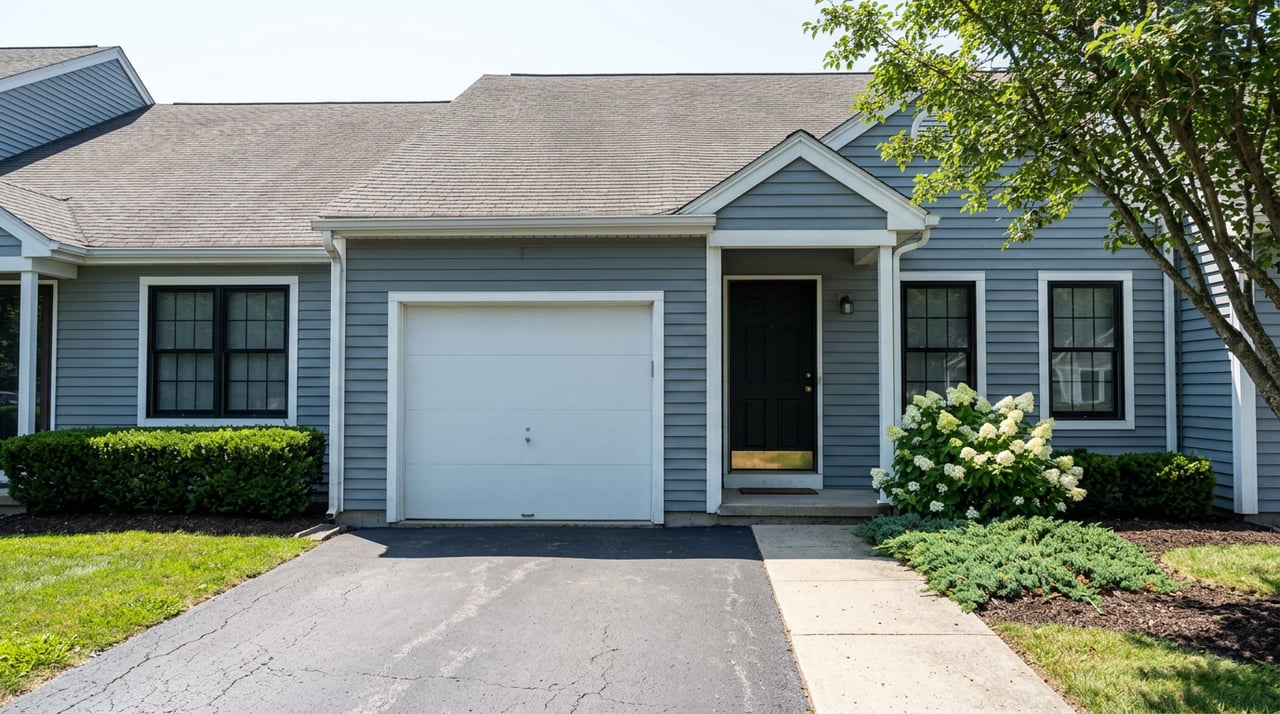
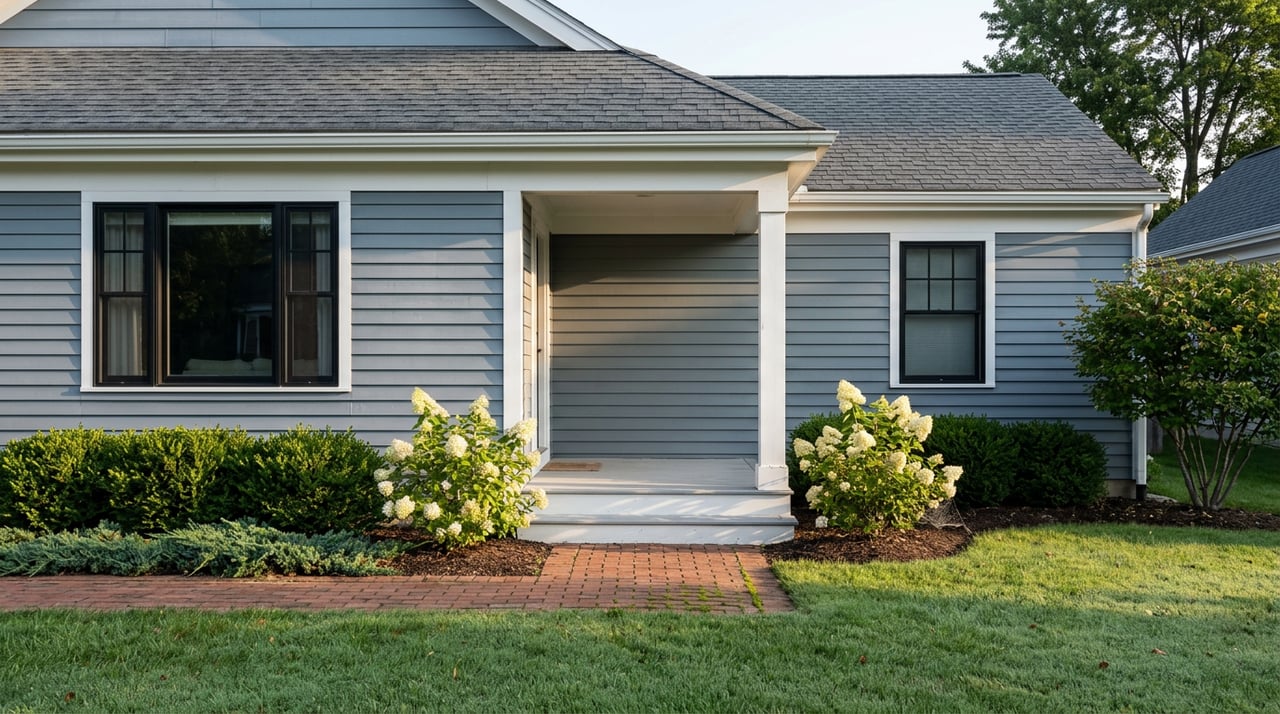
You will find a familiar Long Island mix in both hamlets:
- Home types: Colonials, Capes, ranches, split-levels, and renovated waterfront cottages.
- Lot sizes: Smaller suburban lots near village centers are common. Larger parcels appear on cul-de-sacs and near the bay. Some bayfront properties can exceed an acre and command higher prices.
- Premiums: Bulkheads, dock rights, and wide or deep lots drive value more than the hamlet label itself.
Prices and taxes: what to expect
Market values shift with season and inventory, and different data providers report different medians. Recent snapshots show the following ranges:
- Bayport: Around 725,000 dollars for median recent sales per Redfin as of December 2025, and about 753,800 dollars for the Zillow Home Value Index as of January 31, 2026.
- Blue Point: Around 670,000 dollars for median recent sales per Redfin as of December 2025, and about 689,900 dollars on the Zillow Home Value Index as of January 31, 2026.
These figures use different methodologies, so expect some variation by source and date. Waterfront or oversized lots frequently list above the local medians.
Property taxes vary by assessed value, exemptions, and taxing jurisdictions. Zip-level summaries for nearby Bayport show owner tax payments around 9,000 to 10,000 dollars per year, which provides a directional sense of the area’s tax environment. See Bayport’s example on City-Data for zip 11705. Your actual bill depends on the parcel, so plan a property-specific check during due diligence.
Commute and transportation
Neither hamlet has an active Long Island Rail Road station today. Most commuters use Sayville or Patchogue on the Montauk Branch. Depending on the train and transfer pattern, typical Manhattan commutes run about 75 to 95 minutes. Always confirm current times with the MTA’s LIRR Montauk Branch timetable or the TrainTime app.
By car, Montauk Highway connects the village centers, while Sunrise Highway and the LIE handle longer east–west trips. Long Island MacArthur Airport in Ronkonkoma is the nearest commercial airport for regional travel.
Flood risk and insurance
Much of Long Island’s South Shore, including the Bayport and Blue Point bayfront, is exposed to coastal flooding and future sea level rise. Some parcels sit in FEMA Special Flood Hazard Areas. Review the FEMA Flood Map Service for any property you are considering and request a flood insurance quote early. For regional context, see the EPA’s overview of South Shore resilience and hazards in this summary document. Town and county projects continue to improve resilience, but risk is highly parcel-specific.
Which one fits your lifestyle?
Choose Blue Point if you want
- A compact “bay village” feel with very quick access to Corey Beach and town boat ramps.
- Easy summer walkability to the bay and seasonal waterfront spots.
- Slightly lower reported median values in recent datasets, keeping in mind waterfront premiums.
Choose Bayport if you want
- A broader mix of lot sizes, including opportunities for larger yards and multi-acre bayfront parcels.
- Quieter inland pockets with a suburban layout, still minutes from the water.
- The same shared school district and community institutions as Blue Point.
What usually decides it either way
- Waterfront details, such as bulkhead and dock rights.
- Lot size, yard privacy, and tree cover.
- Comfort with seasonal crowds in shoreline areas.
- Your commute pattern, whether rail via Sayville or Patchogue, or driving to Sunrise Highway or the LIE.
Next steps with a local expert
Both hamlets deliver the South Shore lifestyle, the same school district, and a strong sense of community. The right choice often comes down to micro-location, lot size, and how you want to use the water. If you are weighing tradeoffs, a short list of on-the-ground tours will make the decision clear.
Partner with a local, high-touch advisor who knows the blocks, the marinas, and the market. From pricing guidance to staging, downsizing help, and coordinated estate sales, you get calm, competent support from first consult to closing. Ready to compare homes in both hamlets and choose your fit? Reach out to Caroline Sweezey to get started.
FAQs
Do Bayport and Blue Point share the same public schools?
- Yes. Both hamlets feed into the Bayport-Blue Point School District, which includes three elementary schools, one middle school, and one high school.
Is there a public beach in Blue Point and marina access in Bayport?
- Blue Point has Corey Beach and town-run launch options listed on the Town of Brookhaven boat ramps page. Bayport offers marina and pump-out services through the Town of Islip.
What are typical home prices as of early 2026?
- Recent feeds show medians around 725,000 dollars in Bayport and 670,000 dollars in Blue Point for late 2025 sales, with Zillow’s index in January 2026 at about 753,800 dollars for Bayport and 689,900 dollars for Blue Point. Waterfront homes often exceed these medians.
How long is the commute to Manhattan from Bayport or Blue Point?
- Plan about 75 to 95 minutes on the LIRR via Sayville or Patchogue, depending on transfers and schedules. Check the MTA Montauk Branch timetable for current departures.
Do I need flood insurance for waterfront homes in Bayport or Blue Point?
- Many bayfront and low-lying parcels can be in FEMA Special Flood Hazard Areas. Confirm the exact parcel on FEMA’s map service and get an insurance quote early. The EPA’s regional hazard summary provides helpful context.