Are you staring at a house full of memories and not sure where to start? Downsizing in Sayville is a big life change, and it is normal to feel a mix of emotion and urgency. With a clear plan, the right local help, and steady pacing, you can protect your time, money, and peace of mind. This guide walks you through each step, from sorting belongings to pricing your home, with Sayville specifics and trusted resources. Let’s dive in.
Start with a clear plan
Before any boxes get packed, set your goals and timeline. Decide whether your priority is top sale price, speed, or minimal effort. Build in time for emotions and family input. Most families benefit from a 3 to 6 month plan, though faster timelines are possible with the right vendors.
Clarify goals and authority
Confirm who has legal authority to make decisions. If you are using a power of attorney or serving as an executor, verify documentation early. If an estate is in probate, learn the process and what approvals are required through New York’s Surrogate’s Court system. You can start with the New York State Unified Court System’s Surrogate’s Court information at the main site for New York Courts.
Build your local team
Line up your key advisors early. At minimum, you will want a local real estate agent who knows Sayville and the South Shore, plus an estate or elder-law attorney if probate or Medicaid planning is involved. For move logistics, consider a senior move manager. The National Association of Senior & Specialty Move Managers explains standards and how to find certified providers at NASMM. For general downsizing tips, AARP offers helpful guidance at AARP.
Inventory and value your belongings
Walk through the home room by room and create a simple inventory. Photograph important items and gather records like deeds, titles, insurance, and warranties. Flag valuables such as jewelry, art, or antiques for written appraisals from certified appraisers.
Decide how to sell household items
Choose the approach that fits your goals, timeline, and privacy needs.
- Estate sale: On-site sale of furniture, collectibles, and household goods. Typical commissions often range around 25 to 50 percent of gross sales depending on services. This can maximize proceeds on everyday items but requires setup and scheduling.
- Auction: Good for specialty or high-value collections and for fast resolution. Fees and reserve rules vary by company. You may get a quicker outcome but not always the highest net on ordinary goods.
- Consignment: Helpful for higher-end furniture or designer items that sell over time.
- Buyout or cleanout: Some companies purchase entire contents or offset the cost of removal. This is fastest but typically yields the lowest proceeds.
Interview at least two or three firms, ask for references, and request a written contract that explains commissions, dates, insurance, and what happens to unsold items.
Donate, recycle, and dispose safely
Many Long Island charities accept furniture and offer receipts for taxes. Confirm acceptance and schedule pickup where available. Sort remaining items into recycle, shred, and refuse. For hazardous materials like old paint or chemicals, follow Town of Islip and Suffolk County guidance on proper disposal. Keep personal documents secure and shred financial records you do not need.
Prepare the home for market
Keep pre-sale improvements focused and sensible. You want safety, function, and fresh first impressions without over-improving.
- Safety and function: Fix loose handrails, faulty steps, and leaks. Service mechanical systems as needed.
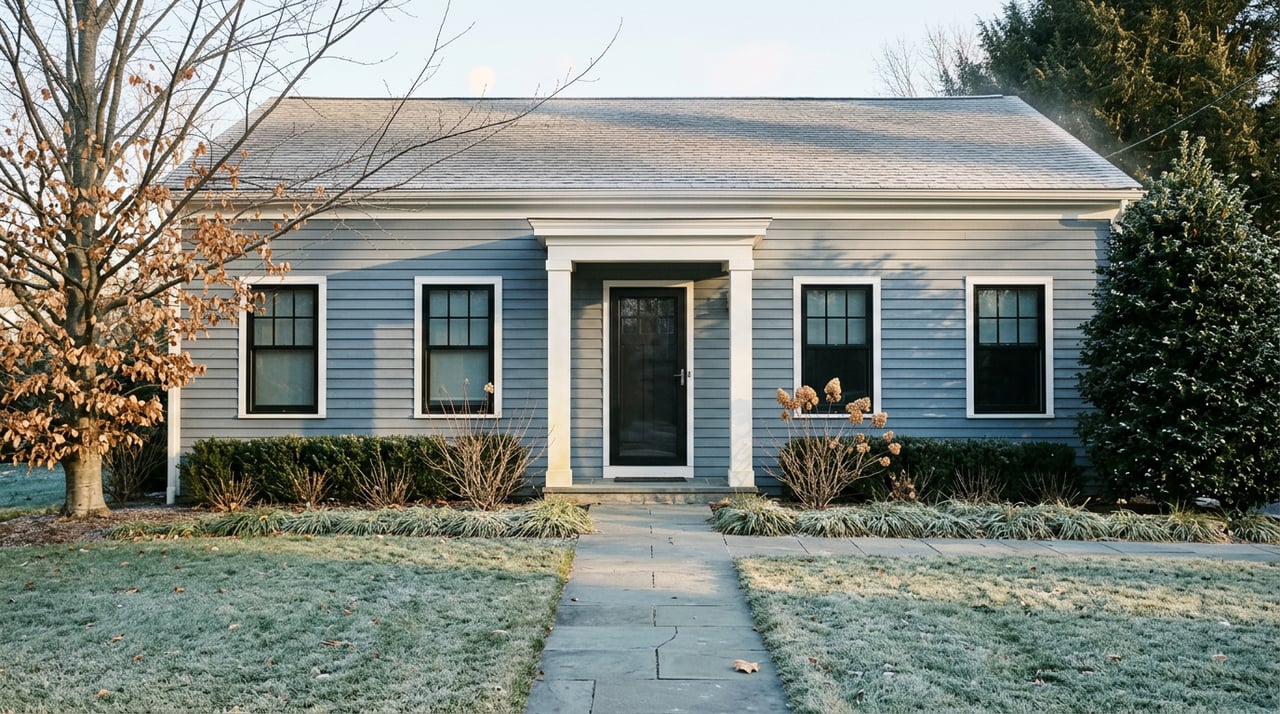
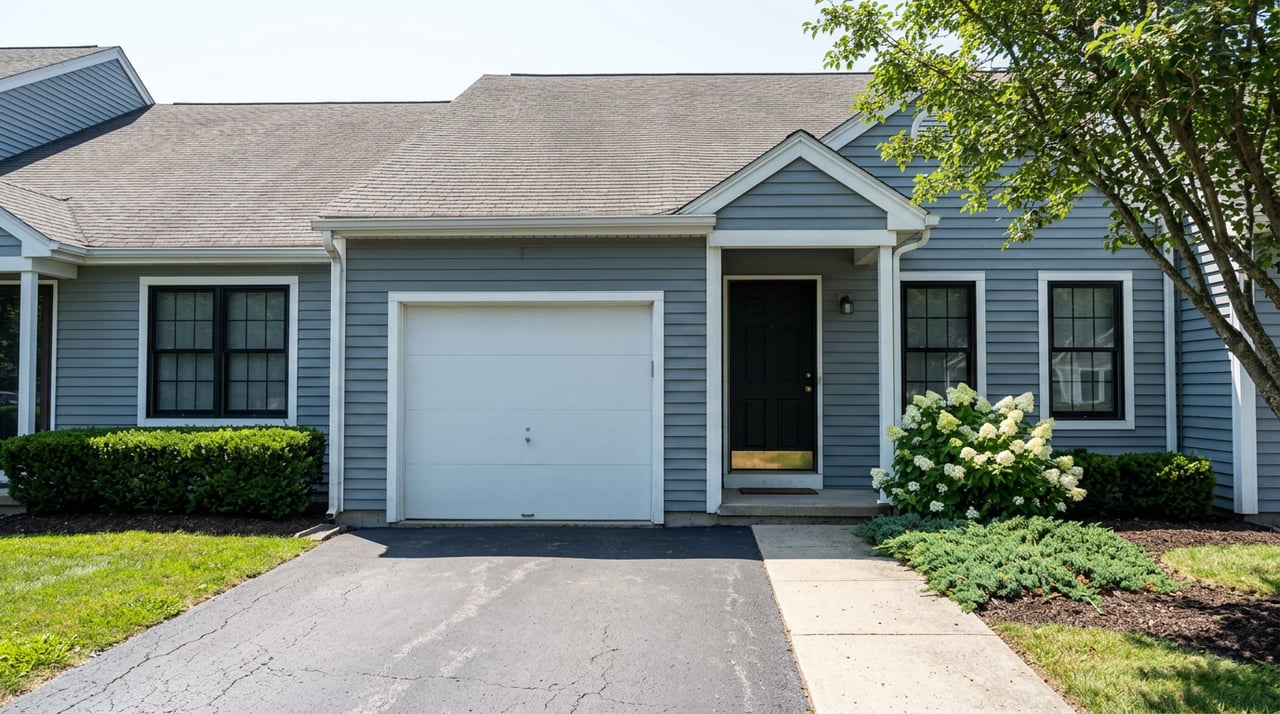
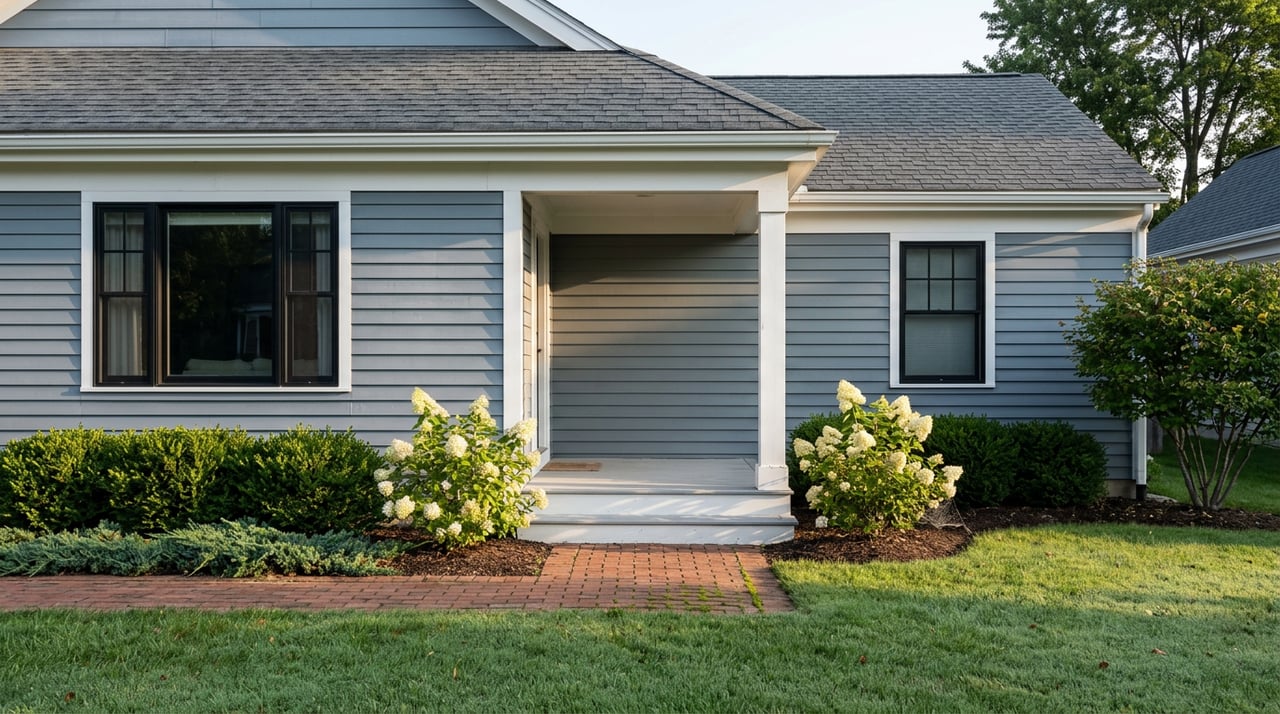
- Curb appeal: Clean landscaping, touch up paint, and wash windows. A tidy entry sets the tone.
- Light refresh: Neutral paint, updated lighting, and deep cleaning go far.
Sayville-specific staging tips
Stage with local strengths in mind. In Sayville, buyers notice natural light, outdoor living, and access to the water and downtown. If your home has bay views or outdoor spaces, make them shine. Keep décor neutral with a light palette and simple coastal touches. Show easy commuter access by highlighting proximity to the Sayville LIRR station and major routes in your listing materials.
Disclosures and inspections
Know your obligations and potential issues upfront. Older Long Island homes may involve oil tanks, septic or well systems, or environmental items such as lead paint or asbestos. For any renovation work that could disturb lead paint in pre-1978 homes, review the EPA’s Renovation, Repair and Painting Rule at the EPA Lead resource. If your home is near Great South Bay or low-lying areas, check flood zones and insurance needs using FEMA resources at FEMA. Being proactive helps buyers feel confident and can reduce last-minute issues.
Price and market strategically
Your pricing should be grounded in current local comparables from the MLS, with adjustments for location, condition, and features. Bayfront and near-bay homes, properties near the LIRR station, and ranch-style homes may track different comp sets. Long Island markets are seasonal and sensitive to mortgage rates, so work with your agent on timing and positioning. For general staging and marketing insights, you can browse resources from the National Association of Realtors.
Showings with comfort and access
Plan for easy access that respects daily routines. A lockbox with agent-managed showings can simplify scheduling while protecting privacy. Build in buffer time after showings for cleanup and re-staging.
Offers, closing, and move-out
When offers arrive, confirm who has authority to accept and sign. If probate is involved, your attorney can advise on required approvals. Align your closing date with your move timeline. Schedule movers early, transfer utilities and mail, and arrange final cleanout and professional cleaning. Keep receipts for estate and tax records.
Sayville logistics and resources
- Town services: Review Town of Islip rules for bulk pickup, permits, and hazardous waste guidance. Schedules and acceptance rules change, so check the official site before placing items at the curb.
- County support: Suffolk County provides property tax information, potential exemptions, and Office for the Aging resources. Confirm program eligibility and any changes after a sale.
- Flood and insurance: Use FEMA resources to verify flood zones and discuss insurance with your provider.
- Community help: Local houses of worship and community groups often coordinate donation drives or volunteer help. Neighborhood groups can help rehome usable items quickly.
Two-week launch checklist
- Identify decision-makers and gather documents: title, deed, will, POA, insurance.
- Photograph each room and create a simple inventory.
- Contact a local real estate agent and, if applicable, an estate or elder-law attorney.
- Shortlist estate-sale, auction, consignment, or buyout options; request estimates.
- Schedule donation pickups and hazardous waste guidance.
- Plan minor repairs and a light staging refresh.
Common pitfalls to avoid
- Rushing the process: Give yourself time to inventory, appraise, and plan. A measured pace reduces stress and costly mistakes.
- Skipping valuations: Appraise potentially valuable items before donating or selling in bulk.
- Ignoring flood or environmental issues: Check flood zones through FEMA and address oil tanks, mold, or lead paint with licensed pros.
- Over-improving: Focus on safety, function, and market-ready presentation. Avoid heavy renovations that do not match neighborhood norms.
- Overlooking legal and tax advice: Consult your attorney and tax professional about probate, capital gains, exemptions, and Medicaid lookback rules.
How a local expert can help
When you are managing a major transition, hands-on support matters. A Sayville-focused agent can coordinate estate sales, recommend vetted vendors, guide staging, and manage the entire sale process, especially if you live out of state. You get accurate pricing, thoughtful marketing, and steady communication from start to finish. If you want a calm, full-service path from sorting to sold, reach out for help that fits your pace and priorities.
Ready to start with a low-pressure conversation or valuation? Connect with Caroline Sweezey to request a free home valuation and a personalized downsizing plan.
FAQs
How long does downsizing in Sayville take?
- Most families benefit from a 3 to 6 month plan for sorting, valuations, and prep, though faster timelines are possible with estate-sale or cleanout services.
What is the best way to sell contents?
- If you have many saleable items, an estate sale often maximizes proceeds. Auctions fit specialized collections or fast timelines. Consignment works for higher-end pieces; buyouts are fastest but net less.
What should I fix before listing my Sayville home?
- Prioritize safety and function first, then curb appeal and light refreshes. Avoid major renovations that do not match neighborhood norms.
How do flood zones affect my sale?
- Flood zones can influence buyer concerns and insurance costs. Check FEMA resources at FEMA and discuss coverage with your insurer.
Do I need inspections or special disclosures?
- Requirements vary by property. Older homes may involve oil tanks, septic or well systems, and potential lead paint concerns. Review the EPA Lead guidance and consult your agent and attorney.
What if the home is in probate?
- The executor usually needs authority through Surrogate’s Court before selling real property. Start with the New York Courts site at New York Courts and speak with your attorney.