What draws people to Blue Point? For many, it starts with the water. You can feel the bay’s pull in the breeze, the sunsets, and the easy rhythm of small‑boat life. If you’re exploring a move, you likely want a clear, practical picture of daily life, commuting, recreation, and what to expect as a buyer or seller. This guide gives you a grounded overview so you can decide if Blue Point fits your next chapter. Let’s dive in.
Blue Point at a glance
Blue Point sits on Long Island’s South Shore along the Great South Bay, within the Town of Brookhaven in Suffolk County. It shares many services and community ties with the Bayport‑Blue Point area and nearby Patchogue. The hamlet is known for its maritime culture and a residential feel that stays quieter than larger neighboring villages.
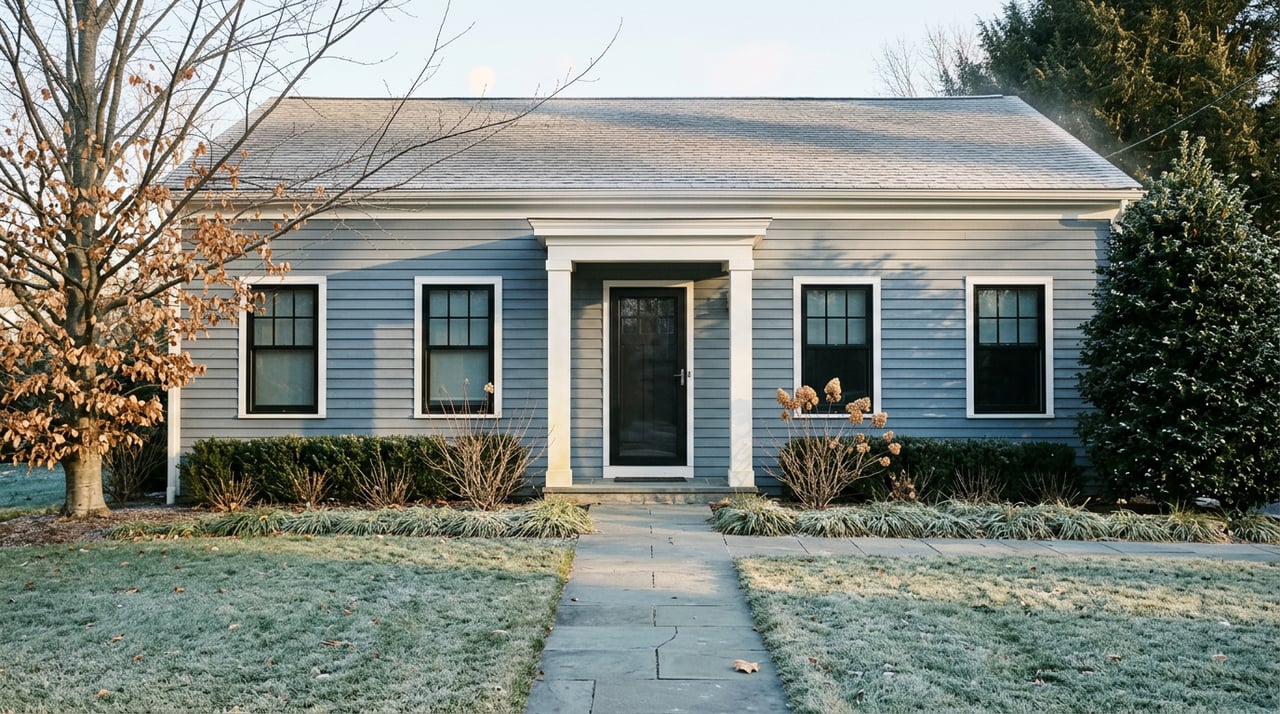
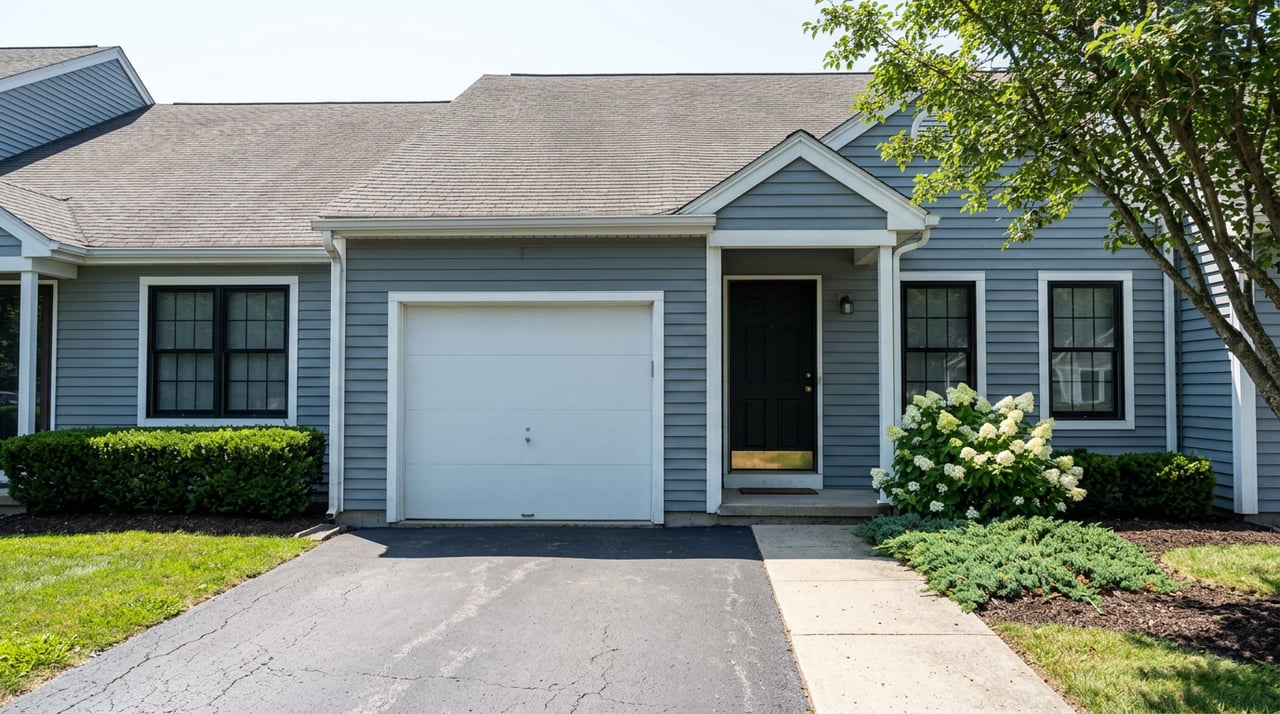
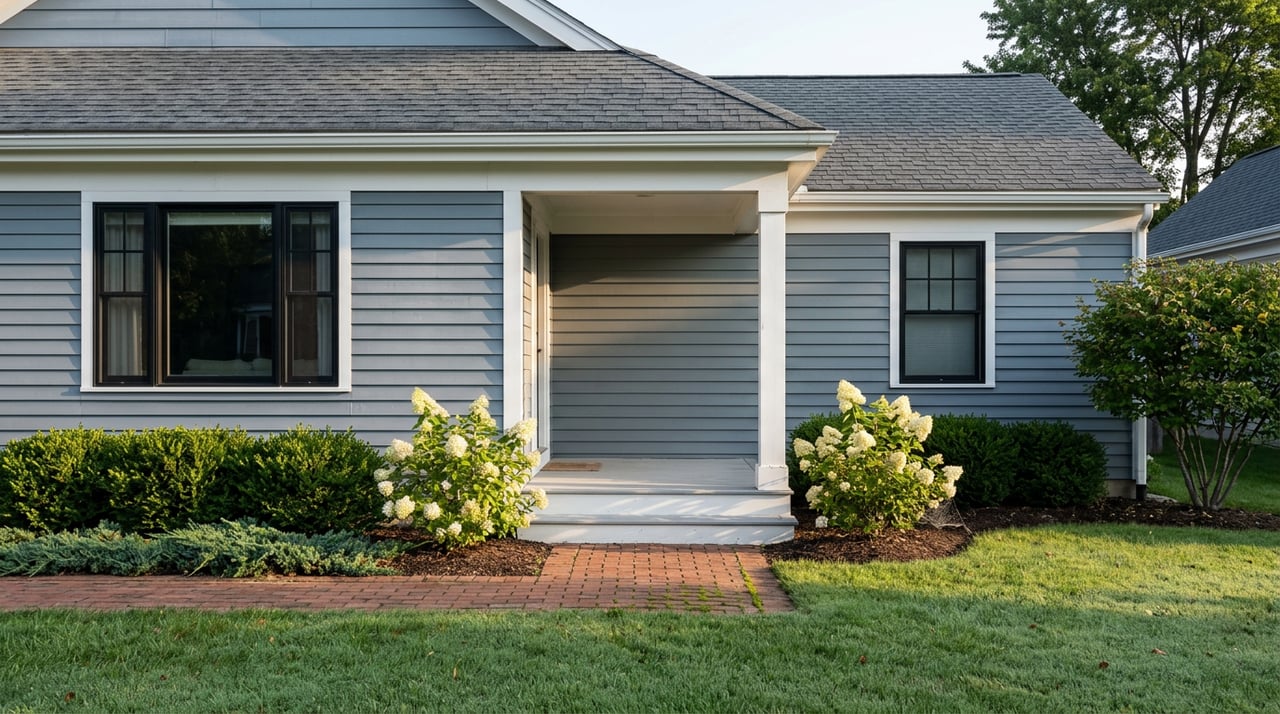
Homes here range from mid‑century cottages and ranches to colonials and renovated waterfront properties. Closer to the bay, some streets reflect a bungalow‑scale past that has transitioned to year‑round living. Local shops and services are nearby, with broader options in Patchogue and Bayport.
Blue Point is unincorporated, so planning, permits, and public works fall under the Town of Brookhaven and Suffolk County. For local services and permits, start with the Town of Brookhaven and Suffolk County resources.
The waterfront lifestyle
Life here often revolves around wind, tide, and light. On calm mornings you’ll see kayaks and paddleboards gliding along the bay. Even if you never own a boat, you can enjoy shoreline walks, bayfront sunsets, and seasonal outdoor dining at spots with water views in the surrounding corridor.
Neighbors often schedule weekends around the water, from casual cruising to fishing on the Great South Bay. The social calendar runs heaviest in warmer months, but mild days in spring and fall offer quieter time on the water.
Marinas and boat access
You’ll find small private and commercial marinas across the Patchogue‑Bayport‑Sayville corridor. Public ramps and slips are managed by town or county entities and may change over time. If you plan to launch or keep a boat locally, consult the Town of Brookhaven and Suffolk County for current locations, seasonal rules, and fees.
Local boatyards and mobile services support seasonal launch, winter storage, and maintenance. Availability and pricing vary by season, so start inquiries early if you need guaranteed space.
Boating rules and shellfishing
The Great South Bay is governed by state and federal regulations. Before heading out, review New York marine and shellfishing guidance from the New York State Department of Environmental Conservation. Shellfish areas can face seasonal or water‑quality closures, and rules can change. When in doubt, check both state and county notices before harvesting.
Parks, beaches, and open space
Blue Point and its neighbors offer small parks, waterfront greenways, and places to walk dogs, cast a line, or watch shorebirds. For local park maps and current amenities, use the Town of Brookhaven and Suffolk County sites.
Fire Island and state beaches
Fire Island National Seashore is a major draw for ocean beaches and dunes. Seasonal ferries to Fire Island depart from several South Shore terminals, including Patchogue for certain communities. For ferry points, trip planning, and park regulations, explore the National Park Service Fire Island National Seashore page.
If you prefer to drive to wide ocean beaches, state parks along the South Shore are within reach. Start with the New York State Parks site for beach options, hours, and fees, including popular destinations like Robert Moses State Park.
On‑water and near‑water recreation
Beyond boating, locals enjoy paddle sports, inshore fishing, and birdwatching along the bay. Seasonal regattas and yacht club activities operate across the broader corridor. In all seasons, you can find a quiet shoreline to clear your head.
Dining, shopping, and everyday needs
Blue Point offers a low‑key dining scene with coastal influences and seasonal outdoor seating in warmer months. For expanded options, many residents head to Patchogue and Bayport for restaurants, breweries, and nightlife.
For errands and services, you’ll find everyday stores in Blue Point and nearby. Larger grocery chains, home stores, and specialty shops are concentrated in Patchogue and along major corridors. Health care, dental, and professional services are within a short drive in regional hubs.
Community life reflects a small‑hamlet rhythm, with volunteer groups, local churches, and seasonal events. Regional library branches in Bayport and Patchogue offer programs for all ages.
Getting around and commuting
Most residents mix driving with rail depending on work locations. East‑west travel relies on Montauk Highway and Sunrise Highway, with local roads feeding into parkways toward Nassau County and NYC.
Rail, ferry, and bus
The Long Island Rail Road serves the South Shore via nearby Patchogue, Bayport, and Sayville stations. To check current schedules, routes, and parking rules, use the MTA Long Island Rail Road. Travel times vary by station, service pattern, and time of day.
Seasonal ferries to Fire Island are a recreational option rather than a commuter link to the mainland, but they are great for beach days. Regional buses through Suffolk County Transit provide additional connections, though service levels can be limited versus urban systems.
Practical commuting tips
- Confirm station parking rules and availability early. Some lots require permits or fill quickly.
- Test your route during your usual commute window to gauge real‑world timing.
- Expect heavier summer traffic near beaches and ferry terminals.
What buyers should know
Blue Point’s setting brings unique waterfront considerations. Awareness and early planning will help you compare homes confidently and manage long‑term costs.
Flood risk, elevation, and insurance
Properties near the bay can face coastal storm surge or nuisance flooding during high tides. Review your target home’s flood zone using the FEMA Flood Map Service Center. If a property is in a special flood hazard area, lenders often require flood insurance, which affects monthly carrying costs. Getting quotes early helps you plan.
Bulkheads, utilities, and maintenance
For waterfront or near‑water homes, factor in:
- Bulkhead condition, dock usability, and signs of past storm damage
- Septic versus sewer connections and related maintenance
- Drainage, grading, and vegetation buffers
- Evidence of flood mitigation, such as elevations, pilings, or flood vents
A coastal‑experienced home inspector and a current survey or elevation certificate, if available, can clarify risk and future costs.
Permits and coastal rules
Some alterations near the water require permits or are limited by local and state regulations. Before planning work like docks, bulkhead repairs, or dredging, consult the Town of Brookhaven for planning and permitting guidance. For activities that touch marine resources or wetlands, confirm state requirements through the New York State Department of Environmental Conservation.
Schools and services
Blue Point is served by the Bayport‑Blue Point School District. For up‑to‑date information on programs and boundaries, visit the Bayport‑Blue Point School District. Families will also find nearby library branches, after‑school programs, and regional community centers in surrounding hamlets.
Selling in Blue Point
Homes that present a clear coastal value story can attract strong interest year‑round. Buyers often focus on condition, resiliency features, and practical access to the bay. If your home is waterfront or near‑water, documentation helps. Organize any elevation certificates, permits, flood insurance details, and maintenance records for bulkheads or drainage.
Staging, light updates, and clear disclosures go a long way. If you are downsizing or handling an estate, a hands‑on plan for cleanouts and logistics can reduce stress and shorten time to market.
Is Blue Point the right fit?
Blue Point offers a small‑hamlet feel with a deep connection to the bay. You get easy access to state and national seashore assets, a practical commute mix, and nearby dining and services in Patchogue and Bayport. If you are seeking a quieter home base with a real waterfront rhythm, it deserves a closer look.
Ready to take the next step or need a pricing read on your home? Connect with Caroline Sweezey for local guidance, a personalized plan, and to request a free home valuation.
FAQs
Is Blue Point, NY mainly seasonal or year‑round?
- Blue Point is primarily year‑round, with a busier summer season due to beaches and boating.
Where do Blue Point residents access ocean beaches?
- Residents often use Fire Island via nearby ferry terminals and drive to state beaches listed on the New York State Parks site.
How do I check flood risk for a Blue Point property?
- Use the FEMA Flood Map Service Center and review any available elevation certificates or surveys.
Which school district serves Blue Point, NY?
- The Bayport‑Blue Point School District serves the area; check the district site for current boundaries and programs.
What are the main commuting options from Blue Point?
- Most combine driving on Sunrise Highway or Montauk Highway with LIRR service from nearby stations, depending on destination and schedule.
Are there public boat ramps near Blue Point?
- Yes, town and county facilities operate across the Patchogue‑Bayport‑Sayville corridor, and you should confirm current locations and rules with municipal sources.