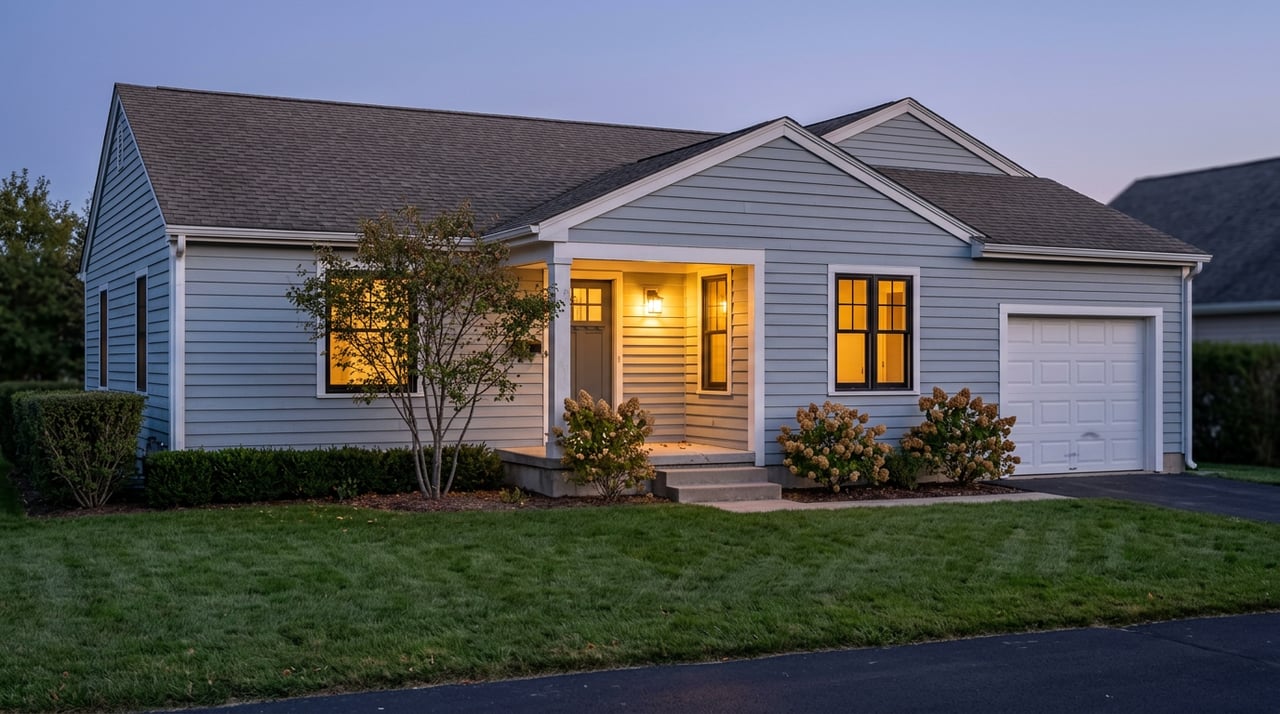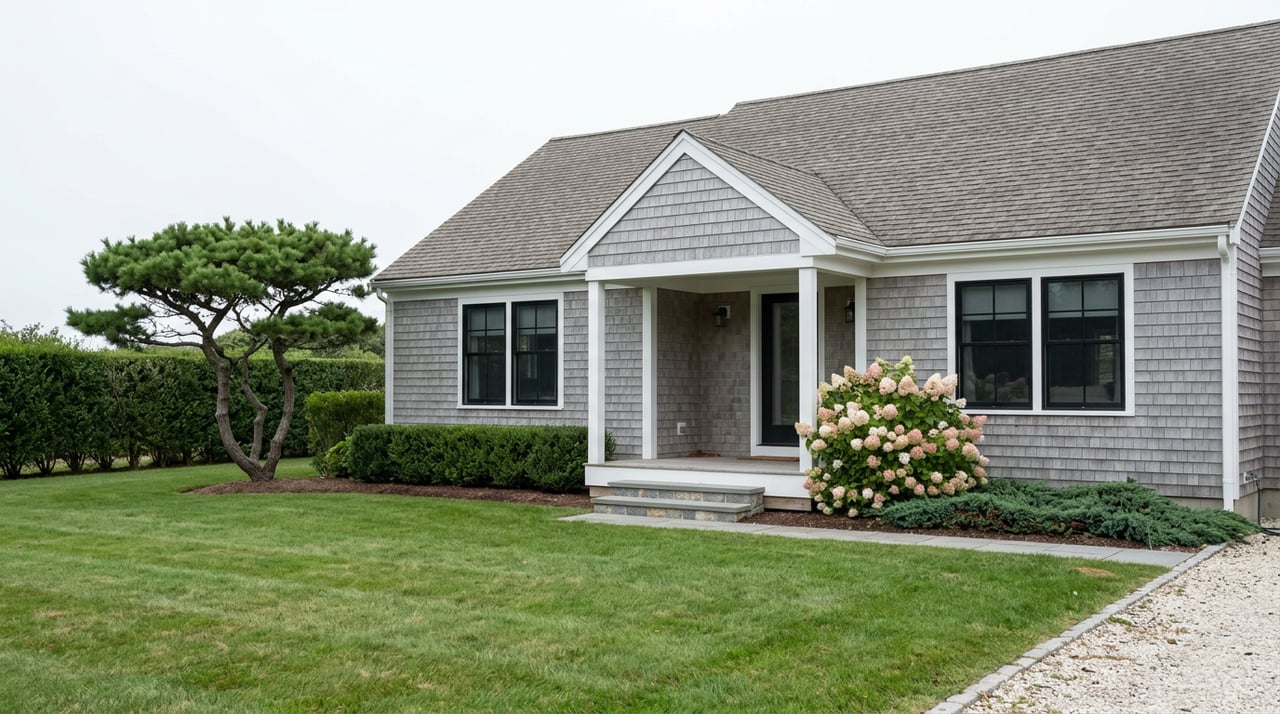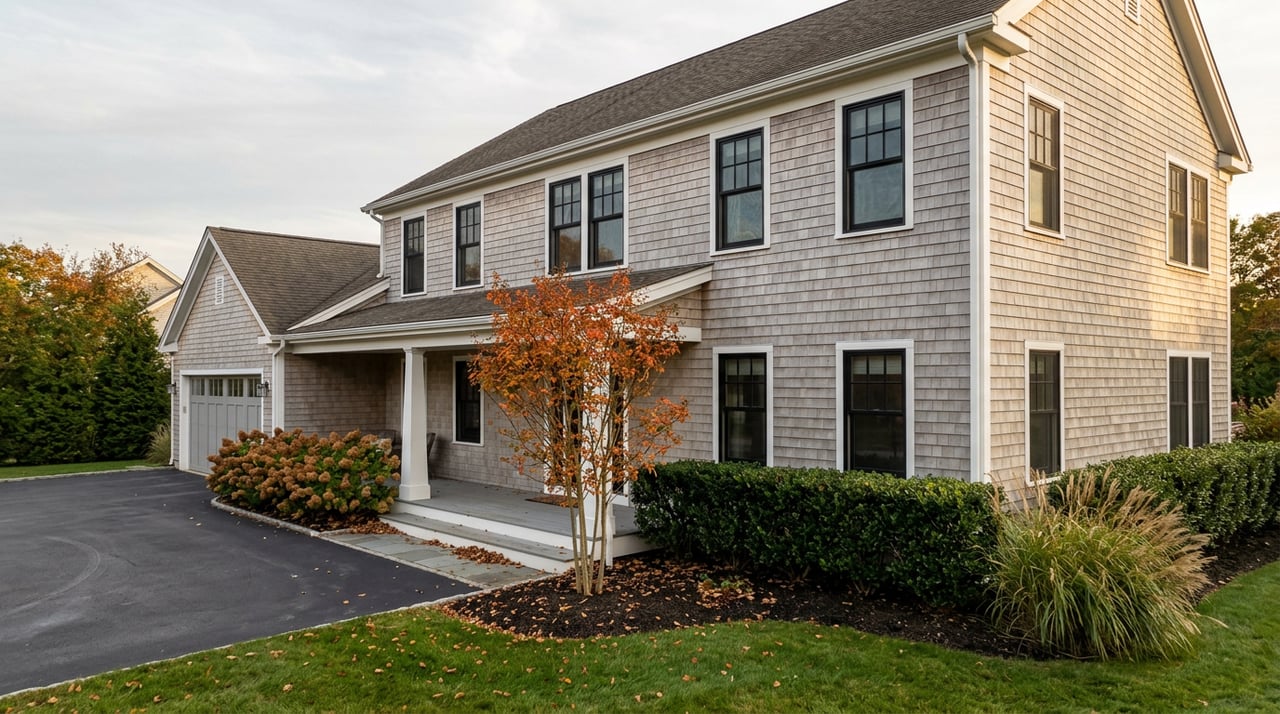
Trying to decide between a brand‑new build and a well‑kept Babylon classic? You are not alone. With limited land, coastal considerations, and a wide range of home styles, the choice in western Suffolk County comes down to your budget, timeline, and lifestyle goals. In this guide, you will learn how new construction and resale stack up on cost, timing, warranties, neighborhood trade‑offs, and how to score each option for your needs. Let’s dive in.
Babylon market at a glance
Babylon is a mature Long Island market with most homes built in the mid‑20th century. Vacant land is limited, so new construction often happens as infill on subdivided lots or as a tear‑down replacement. That scarcity can push new‑build prices higher than comparable resales on a per‑square‑foot basis.
Coastal proximity shapes decisions here. FEMA flood zones, elevation, and storm resiliency affect both new and existing homes. Some parcels connect to public sewer and water while others use septic or need connection upgrades. Local school districts and property tax assessments also matter to many buyers and should factor into your budget.
Costs you will compare
Purchase price and premiums
- New construction usually starts with a base price, then adds lot premiums, model upgrades, and option selections. Builders may exclude popular finishes from base pricing. Ask for a fully itemized total so you understand the real number before you sign.
- Resale prices tie more directly to comparable sales and condition. You can benchmark a resale against recent comps, then adjust for updates, roof age, and mechanicals.
Financing and closing costs
- New construction may require a construction‑to‑permanent loan or staged draws. These loans can include higher fees, interest‑only periods, inspections, and more documentation. Some builders offer preferred financing, but you should still compare independent lenders.
- Resale purchases typically follow a standard mortgage path with a familiar appraisal and closing process. Closing costs are often similar, though new builds can include added fees like sewer connection or community impact charges.
Upgrades and allowances vs. renovations
- Builders set allowances for items like cabinetry, appliances, and landscaping. If your choices exceed those allowances, you pay the difference and sometimes a builder markup. Small selections can quickly add up.
- With a resale, you may budget for renovations right after closing. Costs vary by age and condition, but you avoid builder markups and can pace projects over time.
Taxes, insurance, and utilities
- New builds are assessed after completion and tax bills can lag. Resales come with existing assessments, though transfers can affect future assessments. Ask for historical property tax trends for similar homes.
- Insurance costs depend on age, systems, and flood risk. New homes built to modern codes and mitigation standards can influence premiums. Older homes in higher‑risk zones may cost more to insure.
- New construction often delivers lower operating costs thanks to energy codes, better insulation, efficient HVAC, and modern windows. Actual savings depend on builder quality and installed systems.
Maintenance in the first 10 years
- New construction usually means fewer near‑term capital expenses. Roofs, HVAC, and appliances are new, so maintenance is limited early on. The trade‑off is that new landscaping lacks maturity.
- Resale homes may need immediate attention to roofs, windows, or mechanicals. The upside is mature trees, established yards, and neighborhood character from day one.
Price check steps for Babylon buyers
- Ask for an itemized builder estimate, including base price, lot premium, allowances, upgrade markups, and change‑order policies.
- Request historical tax data for comparable new builds and resales to confirm budgeting.
- Get insurance quotes tied to the specific address, including flood insurance if applicable.
- Confirm public sewer or septic status and any connection or upgrade costs with local agencies.
Timelines and schedule risk
Resale timeline
Most resale transactions close in about 30 to 60 days, depending on inspection contingencies, mortgage underwriting, and title. This timeline works well if you need to move soon or coordinate with the sale of your current home.
New construction timeline
A new build runs in stages. After contract and lot reservation, permits can take weeks to months, especially for coastal or floodplain reviews. Construction often takes 6 to 12 or more months depending on size, weather, subcontractor availability, and material lead times. Final inspections and a certificate of occupancy follow before closing.
Common delay sources include municipal approvals, supply chain issues for materials or appliances, weather, and buyer‑initiated change orders. If you have a hard deadline, build a cushion into your plan.
Timing tips if you are selling too
If you need funds from your current home to buy, consider how your timelines align. You may need to use a sale contingency, plan for temporary housing, or explore bridge financing if your build completion shifts. Ask for selection deadlines early, since delayed choices can push schedules or incur rush fees.
Warranties, inspections, and protection
What builder warranties typically cover
Many builders follow a 1‑2‑10 structure. That is often one year for workmanship and materials, two years for electrical, plumbing, and HVAC, and up to ten years for major structural coverage. Terms vary by builder and whether they use a third‑party warranty company. Get the full documents before you sign.
Limits and exclusions to know
Warranties usually exclude routine maintenance, normal wear, and cosmetic items. Some are pro‑rated or capped. Warranties do not replace inspections and do not address title issues. Ask how claims work and how quickly repairs are handled.
Inspections you still need
New construction benefits from independent inspections at key milestones. Common checkpoints are foundation, framing, pre‑drywall, and a final inspection to create a punch list. Resales should have a comprehensive home inspection and specialized inspections when appropriate, such as septic, chimney, HVAC, or environmental testing for older homes.
Risk controls for buyers
For pre‑construction purchases, check the builder’s local track record and financial stability. Incomplete projects can be costly. For resales, standard title searches and title insurance address liens or defects. In both cases, keep documentation of promises and change orders in writing.
Neighborhood and lifestyle trade‑offs in Babylon
Established neighborhood strengths
Older Babylon neighborhoods often offer mature trees, established landscaping, and classic curb appeal. Walkability to the village, marinas, parks, and Long Island Rail Road stations can be higher in these areas. Many buyers value the stability and local amenities these neighborhoods provide.
New construction strengths
Newer homes tend to offer modern floor plans, higher ceilings, en‑suite bedrooms, and energy‑efficient systems. You may find features like EV charging readiness and low‑maintenance exterior materials. Garages and parking are often sized to today’s needs.
Key trade‑offs to weigh
- Lot size and privacy may be different with infill builds on subdivided parcels.
- New landscaping takes time to mature, while older homes have immediate yard appeal.
- In flood‑risk zones, new builds may be elevated, which can lower future flood risk but add to build costs and affect entry and storage.
- Zoning and neighborhood character influence design choices and permitting timelines. Some builders match neighborhood styles, but approvals can still take time.
Decision matrix: what fits your priorities
Use a simple scoring tool to compare options. Score each criterion from 1 to 5 for each path, where 5 is the best fit for you. Multiply by the weighting and total the results.
| Criterion | Weight | New Construction | Resale |
|---|---|---|---|
| Total up‑front cost and payment | 25% | 3 | 4 |
| Timeline to move‑in | 15% | 2 | 5 |
| Customization level | 15% | 5 | 2 |
| Near‑term maintenance/operating costs | 10% | 5 | 3 |
| Neighborhood/lot/landscaping fit | 10% | 3 | 4 |
| Resale potential/marketability | 15% | 4 | 4 |
| Warranty and risk protection | 10% | 4 | 3 |
Example: commuter buyers with a 90‑day deadline
- Profile: Two‑income household that values walkability to Babylon amenities and needs to move within three months. They want some cosmetic control but do not need a custom layout.
- Scoring outcome: Resale scores higher on timeline and neighborhood fit, while new construction wins on customization and lower near‑term maintenance. With the weights above, resale edges out new construction for this buyer because timing and walkability matter more.
Customize the weights to your situation. If you have a flexible timeline and want specific floor‑plan features, raise customization and warranty weights. If you prioritize budget and location, raise cost and neighborhood weights.
When to bring your agent into builder talks
Involve your agent early, ideally before touring models or signing anything. An experienced local agent can interpret builder contracts, explain allowances and escalation clauses, and compare base pricing to nearby finished homes. They can also negotiate lot premiums, upgrades, and closing credits.
During selections, your agent can help prioritize upgrades that add long‑term value and watch for cost creep in change orders. Before you choose financing, your agent can introduce independent lenders and help you compare construction loan structures to conventional options. At closing, your agent coordinates with inspectors, attorneys, and title to make sure punch lists are complete and documents are accurate.
Items your agent should review include the sales contract and addenda, allowance schedules and markups, deposit timelines, warranty documents, HOA materials if applicable, and the builder’s track record and permit status.
Quick Babylon buyer checklist
- Get a local agent who understands new construction and infill in western Suffolk County before visiting models.
- Obtain a detailed, all‑in builder estimate that lists base price, lot premium, allowances, upgrade markups, and change‑order rules.
- Order independent inspections at foundation, framing, pre‑drywall, and final stages, plus a comprehensive inspection for resales.
- Request full warranty documents and ask how claims are handled and how long they take.
- Confirm flood zone status, expected insurance costs, and any elevation or mitigation requirements.
- Verify sewer or septic details, potential connection or upgrade fees, and utility availability.
- Compare your true total cost, including upgrades or renovations, to similarly finished resales.
- Align timelines if you are selling a current home. Plan for contingencies or temporary housing if needed.
Final thoughts
There is no one‑size‑fits‑all answer in Babylon. New construction often delivers customization, energy efficiency, and predictable maintenance, while resales offer established neighborhoods, walkability, and faster closings. Weigh your budget, timing, and lifestyle priorities, then use the decision matrix to make the best call for your household.
If you want a local, consultative partner to walk you through options, compare true costs, and negotiate with confidence, connect with Caroline Sweezey. You will get calm, practical guidance from a seasoned Long Island pro who puts your goals first.
FAQs
What costs make new construction pricier in Babylon?
- Itemized totals often include base price, lot premiums, allowances, upgrade markups, connection fees, and change‑order charges, which can exceed initial advertised pricing.
How long does a new build typically take in western Suffolk County?
- From permitting through construction and final inspections, many projects run 6 to 12 or more months, with possible delays from approvals, materials, weather, or change orders.
Do I still need inspections on a brand‑new home?
- Yes. Schedule independent inspections at key stages such as foundation, framing, pre‑drywall, and final to create a thorough punch list before closing.
How do flood zones affect my choice in Babylon?
- Flood‑risk areas can influence elevation requirements, permitting time, construction costs, and insurance premiums, so verify the lot’s status and budget accordingly.
When are property taxes set on a new home in Suffolk County?
- New builds are assessed after completion and tax bills may lag, so plan for assessment updates that can change your escrow and monthly payment.
Should I use a builder’s preferred lender?
- Compare offers. Preferred lenders can be convenient, but independent quotes help you confirm rates, fees, construction‑to‑perm options, and appraisal treatment for upgrades.